
Magazine · Corporate retreats · Italy
Where to Host a Corporate Retreat in Italy
Choosing where to hold a corporate retreat in Italy is not quite the same as choosing where to go on holiday.
The Amalfi Coast may be spectacular, but does the programme require three days of meetings? A remote estate in Tuscany may offer exactly the sense of escape the team is looking for, but what happens when fifty people need a properly equipped workspace? Rome has almost everything within reach, but perhaps the whole point of the retreat is to get everyone out of a city.
The destination changes the retreat long before the programme is written.
For some groups, being able to walk from a hotel to a meeting space and then out for an aperitivo matters most. Others need privacy, nature and very little reason to leave the property. An incentive trip has different priorities again.
There is no part of Italy that works for every group. These are some of the places we return to, and the kinds of retreats they suit best.
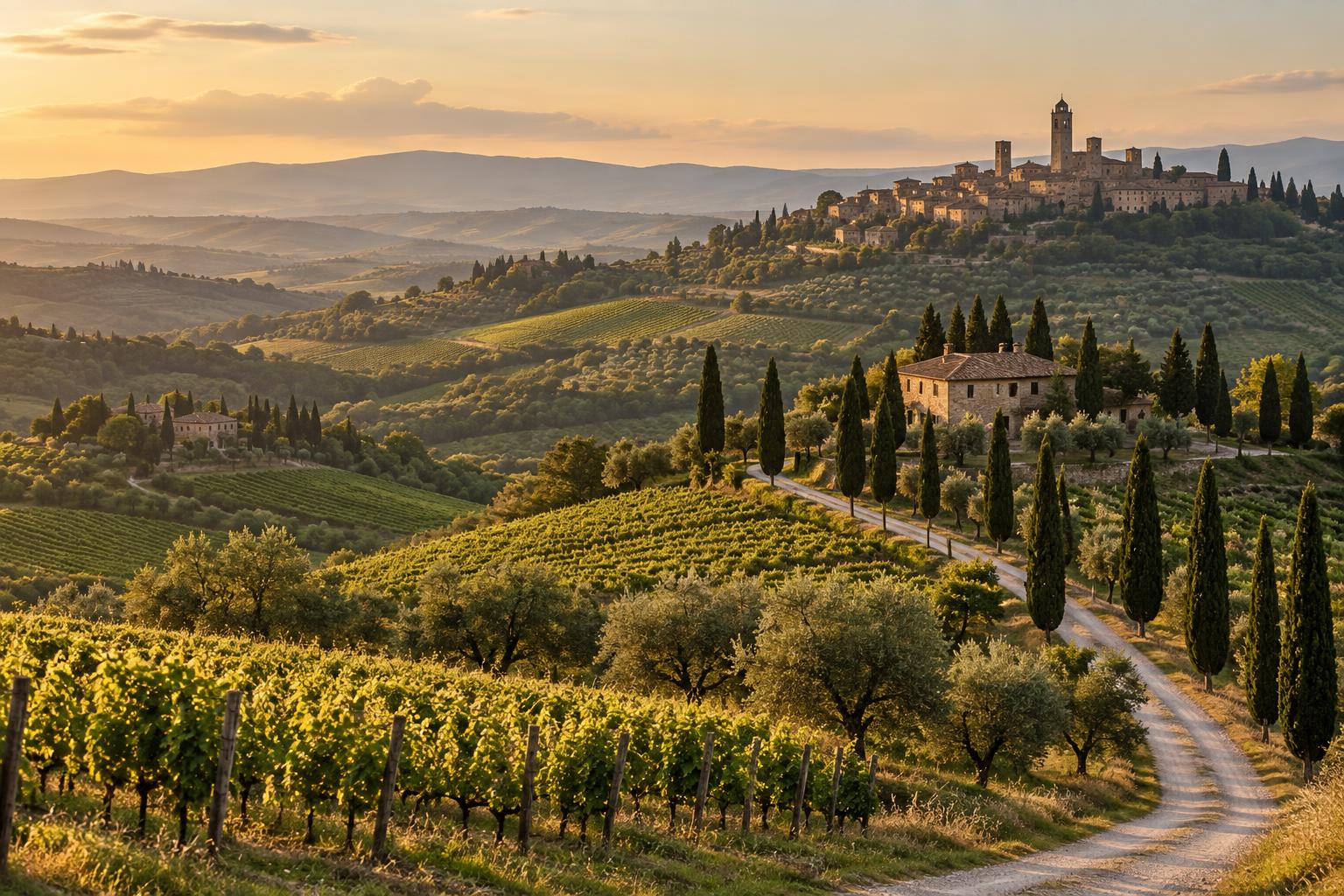
Tuscany: for getting out of the city
Tuscany is an obvious choice, but not simply because it is beautiful.
For a team accustomed to working in London, New York or another large city, waking up among vineyards and hills immediately changes the pace of a few days together. There is space here, both literally and in the programme.
A morning can be given to meetings and the afternoon to a winery. A working session can be followed by truffle hunting, dinner at an estate or a long lunch that would make very little sense squeezed between two appointments back home.
This is one of Tuscany's strengths for corporate retreats: work and downtime do not need to exist in separate worlds.
There is, however, a practical consideration. In areas such as Chianti, coworking spaces are not readily available in the way they are in a major city. Working sessions will usually take place at the hotel or estate, in meeting rooms arranged with the desks, screens and technical equipment the group requires.
That makes choosing the property particularly important. It needs to work not only as somewhere beautiful to stay, but as the team's base for the days ahead.
For an international company visiting Italy for the first time, Tuscany is often an excellent place to start.
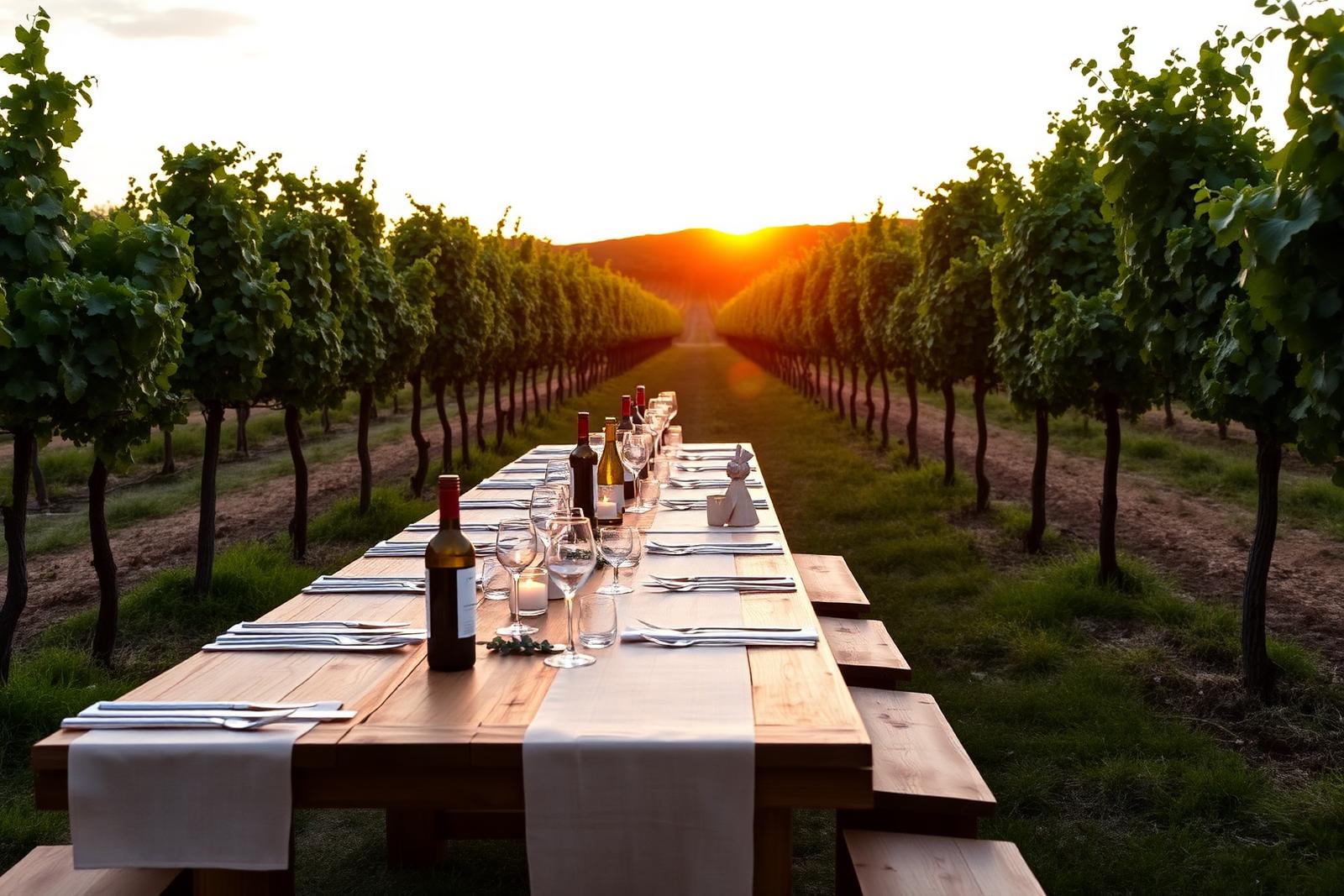
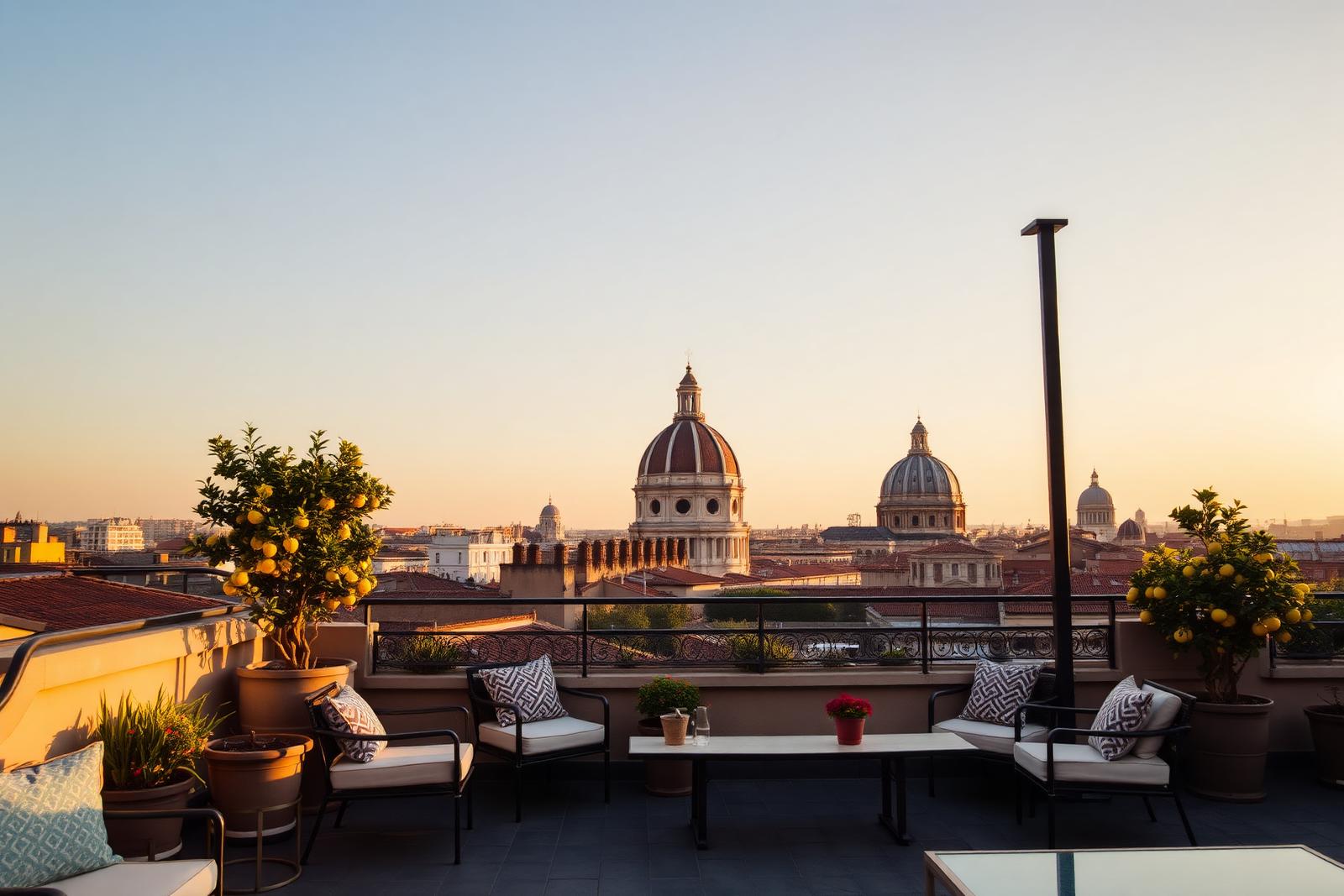
Rome: when you want options
Rome works for almost the opposite reason.
There is an enormous choice of hotels, meeting venues, coworking spaces, restaurants, private spaces and evening options. International connections are straightforward, and a programme can change character several times in the course of one day.
Meet in the morning, have lunch somewhere completely different, spend part of the afternoon discovering the city and finish over aperitivo or dinner.
The obvious thing Rome does not offer in its centre is the feeling of having disappeared into nature. But even that does not necessarily require choosing another destination.
The countryside around Rome is much closer than many international visitors realise. A day can take the group to the lakes and towns around Bracciano or Castel Gandolfo, or north towards Viterbo and the landscapes of Lazio, before returning to the city.
It means a company does not necessarily have to choose between access to a capital city and time away from it.
For larger groups, Rome has another advantage: scale. Once numbers move towards 100 or more, the breadth of hotels, venues, transport providers and event infrastructure becomes increasingly valuable.
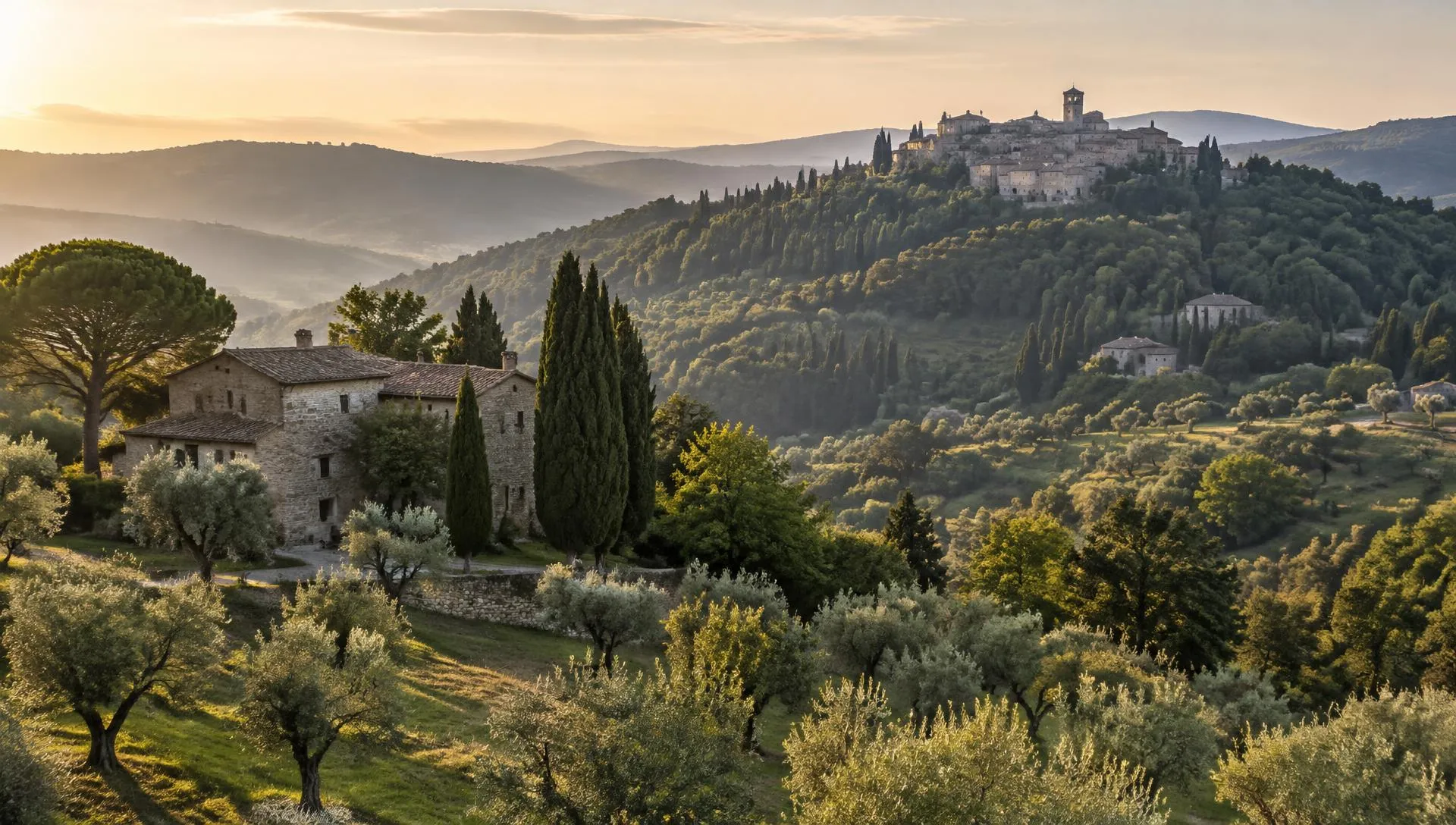
Umbria: Tuscany's quieter neighbour
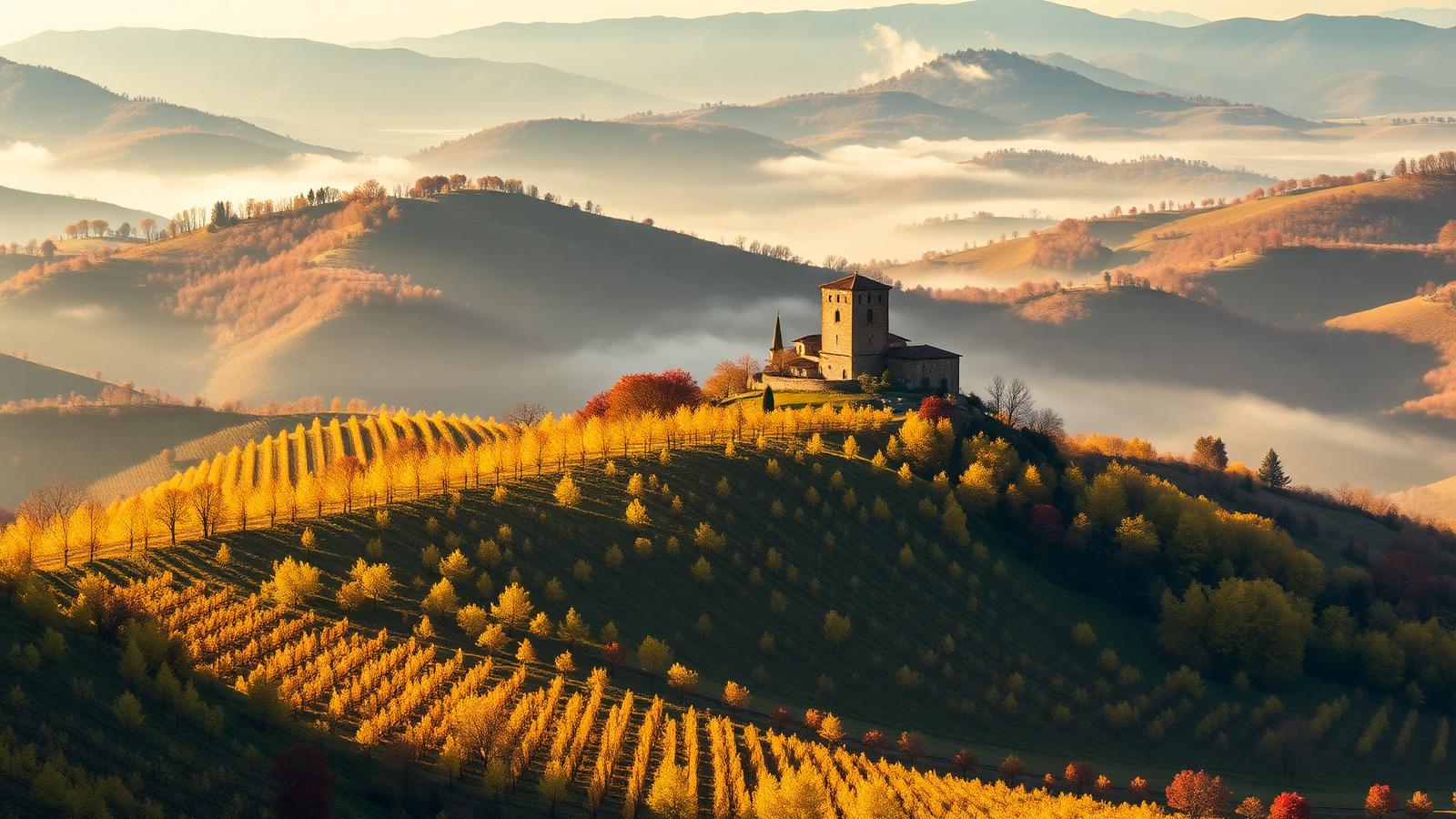
Umbria offers much of what people come to central Italy hoping to find: hills, vineyards, medieval towns, excellent food and countryside that encourages everyone to slow down.
Yet it has a character of its own.
Winery visits, truffle experiences and long meals can sit naturally around working sessions, while historic estates and countryside hotels lend themselves well to groups wanting privacy.
Its position is also useful. Parts of Umbria can be reached in around two hours from Rome and its airports, making it possible to create a countryside retreat without adding a domestic flight or a complicated second stage to the journey.
For a team that likes the idea of Tuscany but wants somewhere quieter and less expected, Umbria deserves serious consideration.
The Langhe: when food and wine are part of the reason for coming
Some destinations need activities added to them. In the Langhe, much of the programme is already sitting outside the door.
Vineyards cover the hills. Small towns punctuate the landscape. Wine and food are not extras to be fitted into the itinerary; they are part of the identity of the region.
That makes the Langhe particularly interesting for groups where time around the table matters.
Working sessions can be balanced with private winery visits, tastings and dinners, without the programme feeling as though it is jumping between unrelated activities. The experience remains connected to the same place.
It is also a destination that still feels like a discovery to many international guests. People may arrive knowing Barolo without necessarily knowing the landscape it comes from.
For a company looking for food, wine and countryside rather than a conventional resort programme, that can be precisely the appeal.
Related storyFive days in the Langhe for 52 colleagues
Sardinia: work with the sea in the background
A retreat in Sardinia can move between two very different sides of the island.
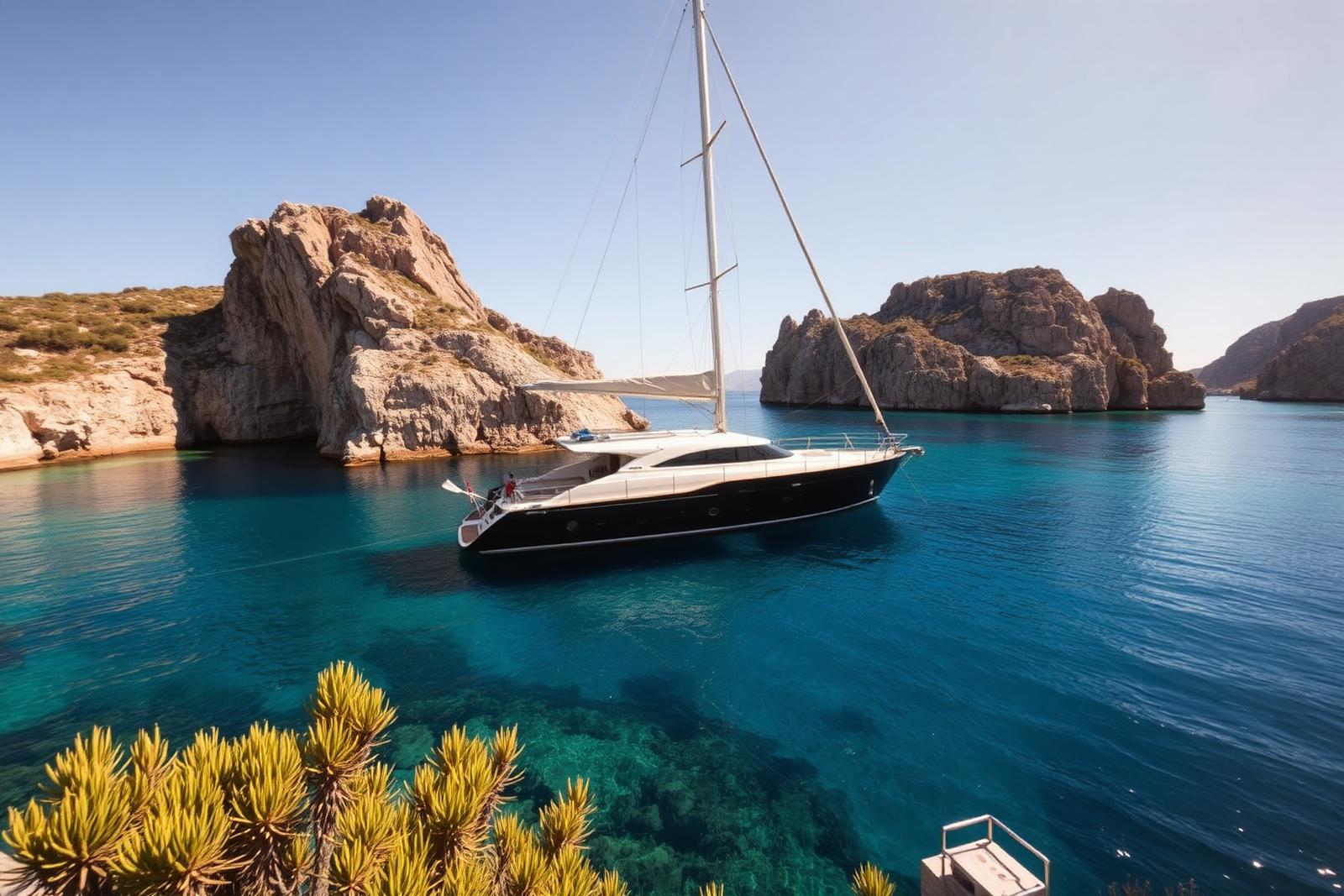
There is the obvious one: boats, sailing, beaches, dinners by the water and days that make full use of the Mediterranean.
Then there is the inland Sardinia that visitors often know much less about, with food, villages, landscapes and traditions that can take a programme well beyond the coast.
The combination works particularly well for groups that want proper working time without giving up the feeling of being somewhere completely removed from their usual environment.
A meeting day does not have to compete with the destination. It can simply be followed by it.
The best period is generally from May to October. July and August require more caution and much earlier planning: this is peak summer, with substantial domestic tourism as well as international demand, and the best hotels, boats and restaurants can fill well ahead of time.
For a group of around thirty wanting both sea and work, Sardinia is one of the first places we would consider.
Related storyAn island conference, with a change of plan
The Dolomites: privacy at altitude
Not every retreat needs wine country or the Mediterranean.
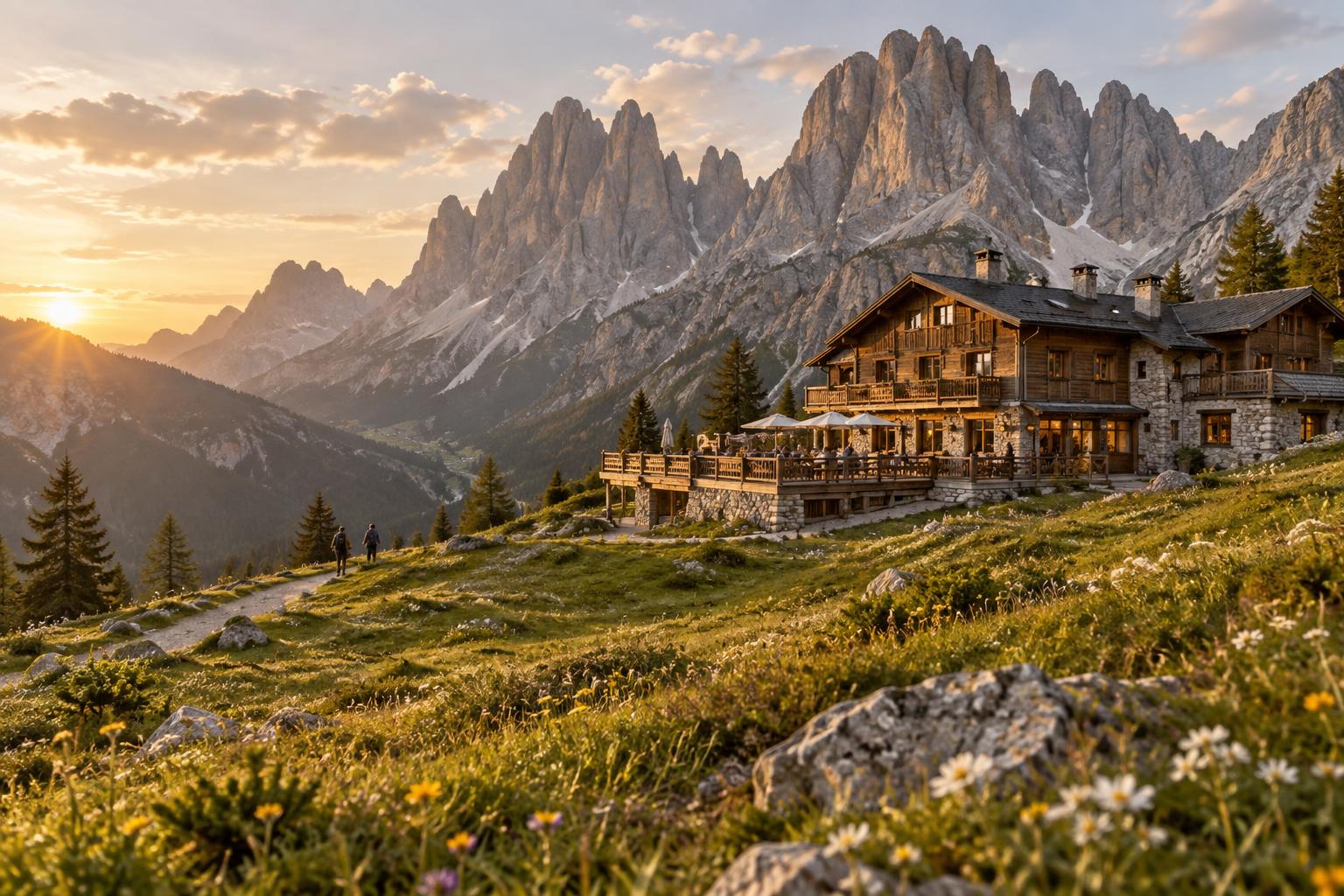
For a smaller leadership team, the Dolomites offer something quite different: mountains, space and the feeling of having properly left everyday life behind.
This is particularly interesting for groups of around twelve to fifteen people who want privacy and time together rather than a packed programme of external activities.
A mountain hotel or chalet can become the centre of the retreat, with working sessions broken up by time outdoors, walks, meals and the landscape itself.
The season changes the experience dramatically. Summer and winter produce almost two different destinations, so the time of year should be part of the decision from the beginning rather than an afterthought.
For leadership retreats, where the objective is often to spend meaningful time together away from distraction, that separation can be an advantage.
Milan: when efficiency matters
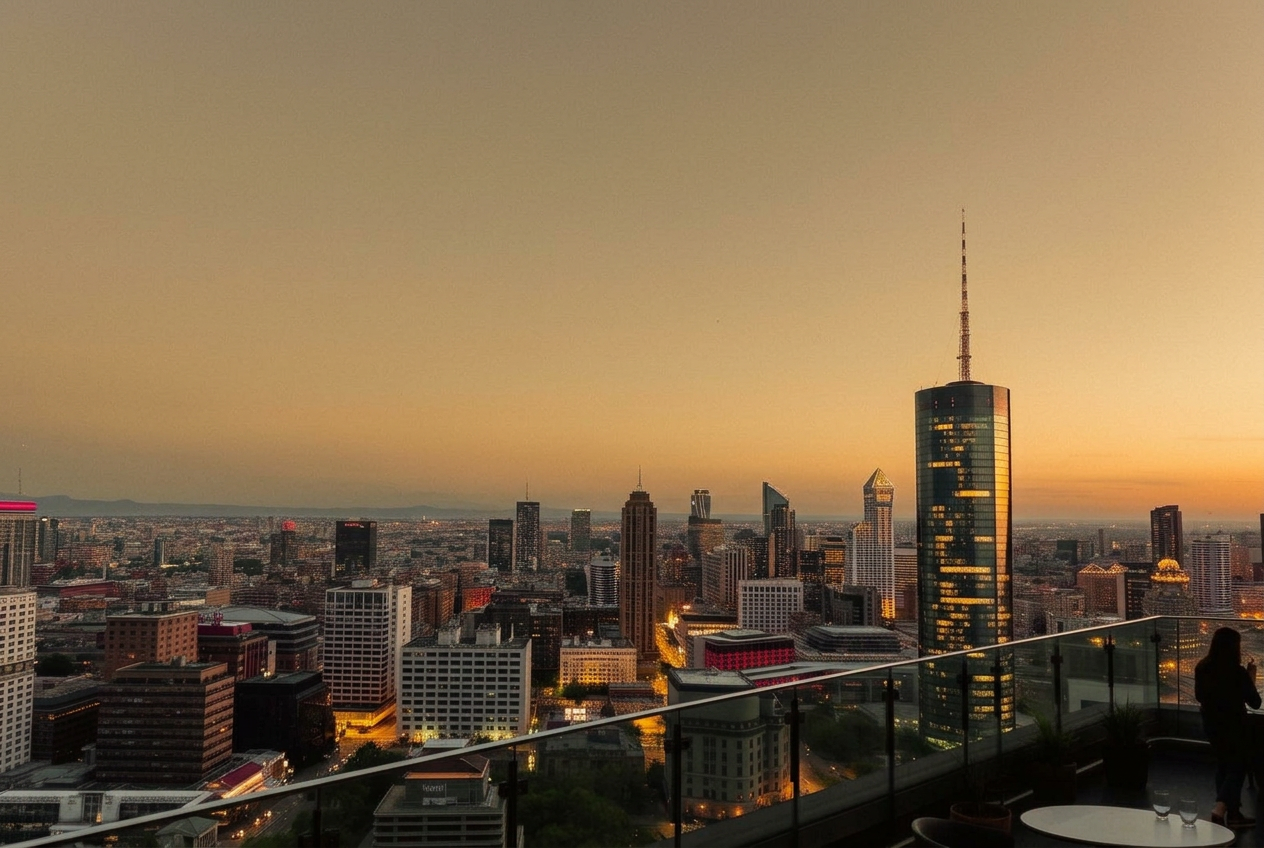
Milan may not be the first image that comes to mind when someone says “retreat in Italy”, but for certain groups it is one of the most practical choices.
It is exceptionally well connected internationally and has the hotel capacity, meeting infrastructure, restaurants and event spaces required for larger companies.
For groups of 100 or more, those practical advantages become difficult to ignore.
The city also works well when the retreat is shorter and people are arriving from several countries. Less time is lost moving everyone from an airport into a remote destination, and the programme can begin almost immediately.
And Milan does not have to mean staying in the city for the entire event. Lake Como can become part of an incentive day or an extension to the programme, creating a contrast without requiring the whole retreat to be based there.
Sometimes the best destination is the one that makes everything around the retreat easier.
And what about Lake Como, Puglia, Sicily and the Amalfi Coast?
They absolutely have a place — but not necessarily for every corporate retreat.
Lake Como and the Amalfi Coast are particularly strong for high-end incentive programmes, where accommodation, dining, boats and the setting itself are central to the experience.
Puglia also works beautifully for incentive groups, particularly when a masseria can become the heart of the stay. Food, the coast and the slower rhythm of the region lend themselves to programmes where the experience is given as much weight as the working sessions.
Sicily offers another level of variety altogether, from cities and archaeological sites to coastline, food and countryside, and can be particularly compelling for incentive and luxury groups looking for a programme with several different dimensions.
These destinations can all host corporate groups. The question is whether what they do particularly well matches the reason the group is travelling.
Start with the group, not the destination
If fifty colleagues are travelling from the United States and experiencing Italy for the first time, Tuscany might be the starting point.
For twelve executives who need privacy and a few days away from distraction, the Dolomites tell a different story.
Thirty people who want to work but also spend time on the water may be better suited to Sardinia. A group built around food and wine could lead towards the Langhe. Once the guest list passes one hundred, Rome and Milan begin to make logistical sense in ways smaller destinations may not.
These are not rules. They are starting points.
The right destination becomes clearer once the important questions have been answered: where people are travelling from, how much they need to work, whether everyone requires an individual room, what kind of atmosphere the company wants and what they would like people to remember afterwards.
Only then is it worth looking at the beautiful hotels.
Planning a gathering in Italy?
Tell Alessia who you are bringing together and what you would like the time to feel like.
Start your enquiry