Destination · Tuscany

Corporate Retreats in Tuscany

Annual leadership offsites, board retreats and incentive programmes across the Chianti hills, Val d'Orcia and the Tuscan coast — designed for companies that want a meaningful agenda set in an unmistakable place.

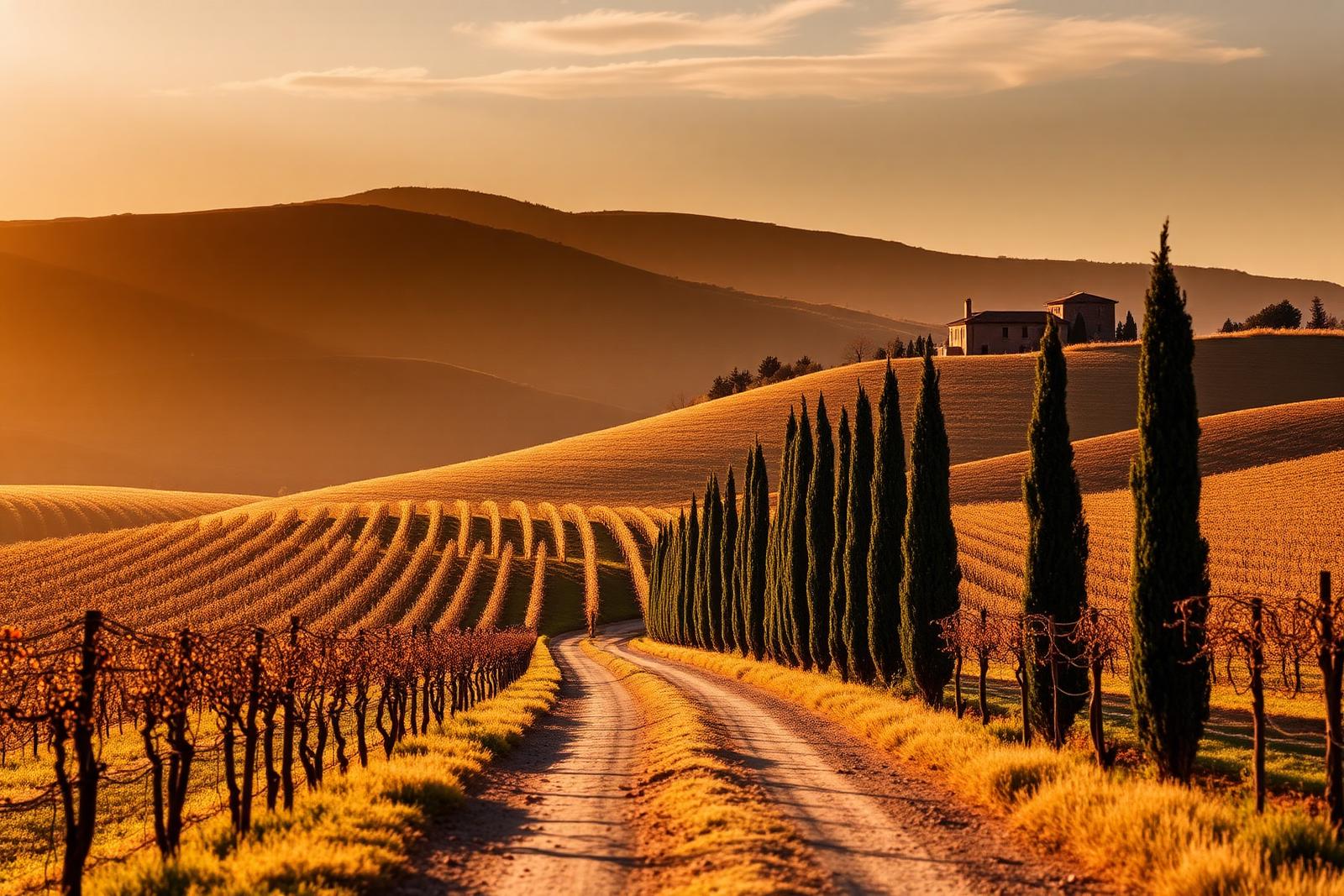
Rolling Tuscan vineyards in Val d'Orcia at golden hour with a cypress-lined road leading to a distant stone farmhouse

Why Tuscany

The destination companies choose when the agenda needs to mean something.

Tuscany earns its place at the top of the shortlist for one quiet reason: it gives a retreat a sense of weight that a city venue cannot manufacture. The combination of restored estates, walled medieval towns, working vineyards and a 700-year hospitality tradition shapes how a group behaves from the first dinner onwards.

Operationally, the region is wider than Lake Como and that breadth is the point. A single estate in Chianti or the Val d'Orcia can hold an entire company under exclusive use, with full meeting space, accommodation, kitchen brigade and grounds dedicated to one group for the duration. The infrastructure around Florence, Pisa and Siena is mature enough to absorb senior international guests without compromise.

Tuscany works best for companies whose retreat has a real objective — a strategy reset, a leadership integration after an acquisition, a multi-day customer programme — and who want the place itself to reinforce why the meeting matters.

Our Approach

Why companies choose The Italian Chapter.

Every Tuscan programme we deliver is built around the company first and the landscape second. The estate, the chef, the winery, the route — each is chosen because it serves what the client is trying to achieve, not because it photographs well. We design and operate the entire programme end-to-end, from venue contracting and supplier coordination to on-site delivery.

Estate sourcing on the ground

We have walked every property we recommend. Each shortlist is shaped by the brief — group size, meeting needs, privacy requirements — and contracted directly with the estate manager rather than through an intermediary.

Single point of contact

One project manager owns the brief, the run sheet and every supplier. The client's internal organiser arrives as a guest, not as a producer.

Producer-grade logistics

Movements between Florence, Pisa, Siena and the estate are sequenced to the minute, with named drivers, contingency vehicles and weather plans contracted before the first guest lands.

Vineyard and kitchen relationships

Long-standing relationships with family-owned wineries, Michelin chefs and historic estates give our clients access — for a private cellar dinner or a chef coming to cook at the villa — that public booking channels do not offer.

Discretion at executive level

Bookings sit under a project name. Guest lists and seating plans circulate only where required. Front-of-house teams are briefed before arrival on which names are public and which are not.

Budget shaped by outcome

We design the budget around the result the company wants — a focused leadership offsite spends differently from a 200-guest incentive — and remove the line items that add cost without adding value.

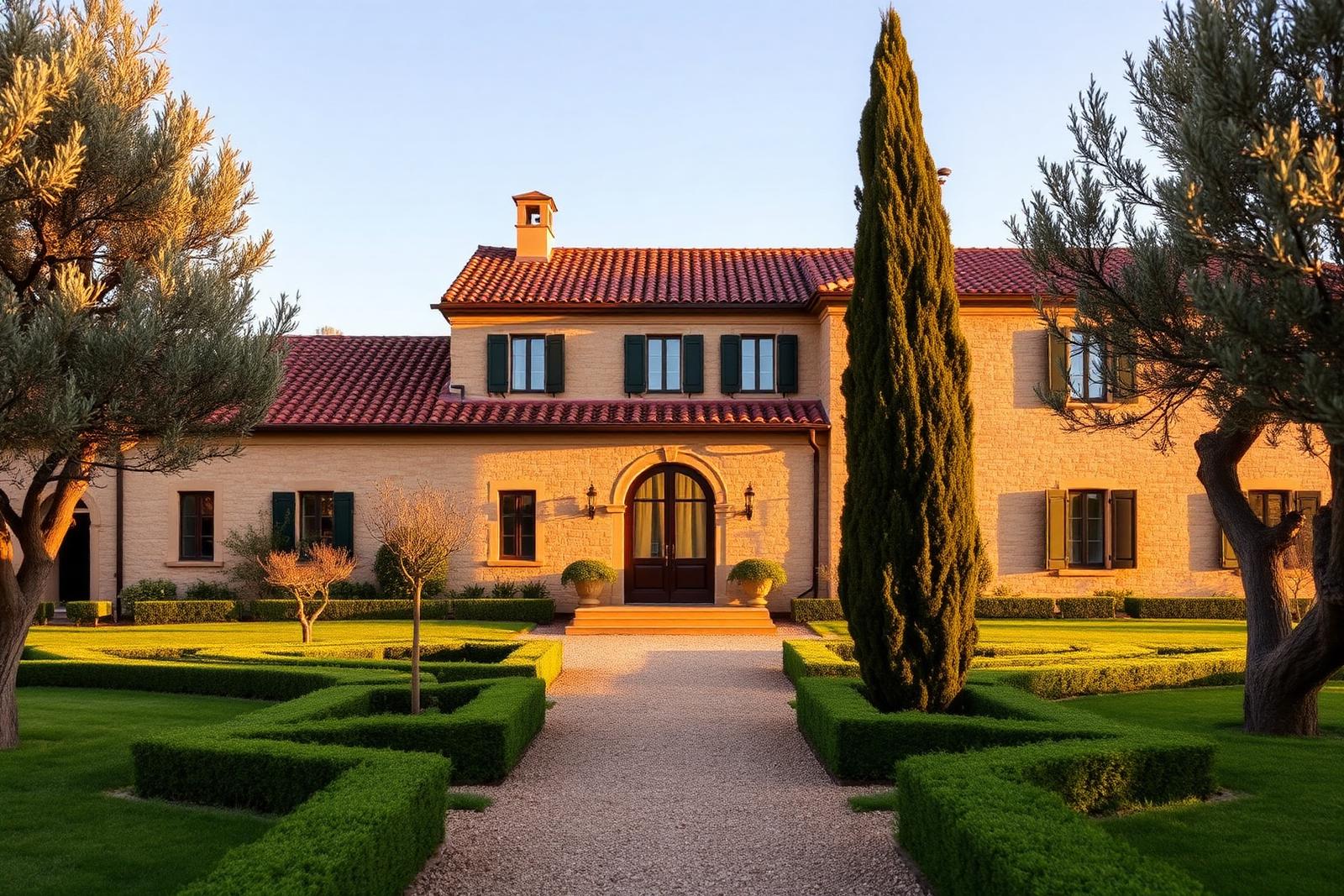
Luxury Tuscan wine estate villa with terracotta roof, ancient olive trees and a manicured Italian garden in warm afternoon light

Where We Host

Private estates and Relais & Châteaux houses.

Exclusive-use estates. The format that produces the most coherent Tuscan retreat. A restored borgo or working agricultural estate in Chianti, the Val d'Orcia or the Maremma is held in full for one group — house, grounds, pool, cellar, kitchen and resident staff. Most of the properties in our portfolio are not publicly listed and are reached only through the relationships we maintain with the owning families.

Relais & Châteaux and historic five-star hotels. When the brief calls for hotel-grade service infrastructure — a dedicated meeting floor, full spa, multiple restaurants — the historic houses in and around Florence, Lucca, Siena and Forte dei Marmi handle senior corporate groups week in, week out. We contract directly with the general managers, which allows us to negotiate exclusivity zones and dates outside published inventory.

Castelli and historic borghi. For ceremonial moments — a closing dinner, an awards evening, a partner programme — the region's restored castles and walled hamlets offer settings that few destinations in Europe can match. Typically used as off-site venues within a broader estate-based programme rather than as the primary host.

Signature Experiences

Experiences that earn their place in the programme.

The strongest Tuscan retreats are not the ones with the busiest schedule. They are the ones where two or three carefully chosen experiences anchor each day, with long meals and unhurried conversation in between.

Private cellar dinners with the winemaker. An evening held in the cellar of a family-owned estate — Brunello in Montalcino, Chianti Classico in Castellina, Bolgheri on the coast — with the winemaker leading the tasting. Operated under exclusive use; no other guests on the property.

Truffle hunting and harvest experiences. October and November in San Miniato and the Crete Senesi: a short morning in the woods with a working dog, followed by lunch in the hunter's farmhouse. Authentic, contained, and one of the most reliably memorable moments of a retreat.

Michelin chefs cooking on site. We bring starred chefs to the host estate to cook a tasting menu in the property's own kitchen — eliminating the transfer and turning dinner into the centrepiece of the agenda.

Florence and Siena out of hours. The Uffizi, the Bargello, the Palazzo Pitti and the Duomo of Siena can be opened for private corporate visits outside public hours, often with the curator leading. A short, well-paced cultural moment placed inside a working programme.

Vintage car and cycling routes. Chianti and the Val d'Orcia hold some of the most photographed driving and cycling roads in Europe. A morning vintage Fiat 500 rally or a guided road-bike loop between two estates is a strong partner programme or recovery day.
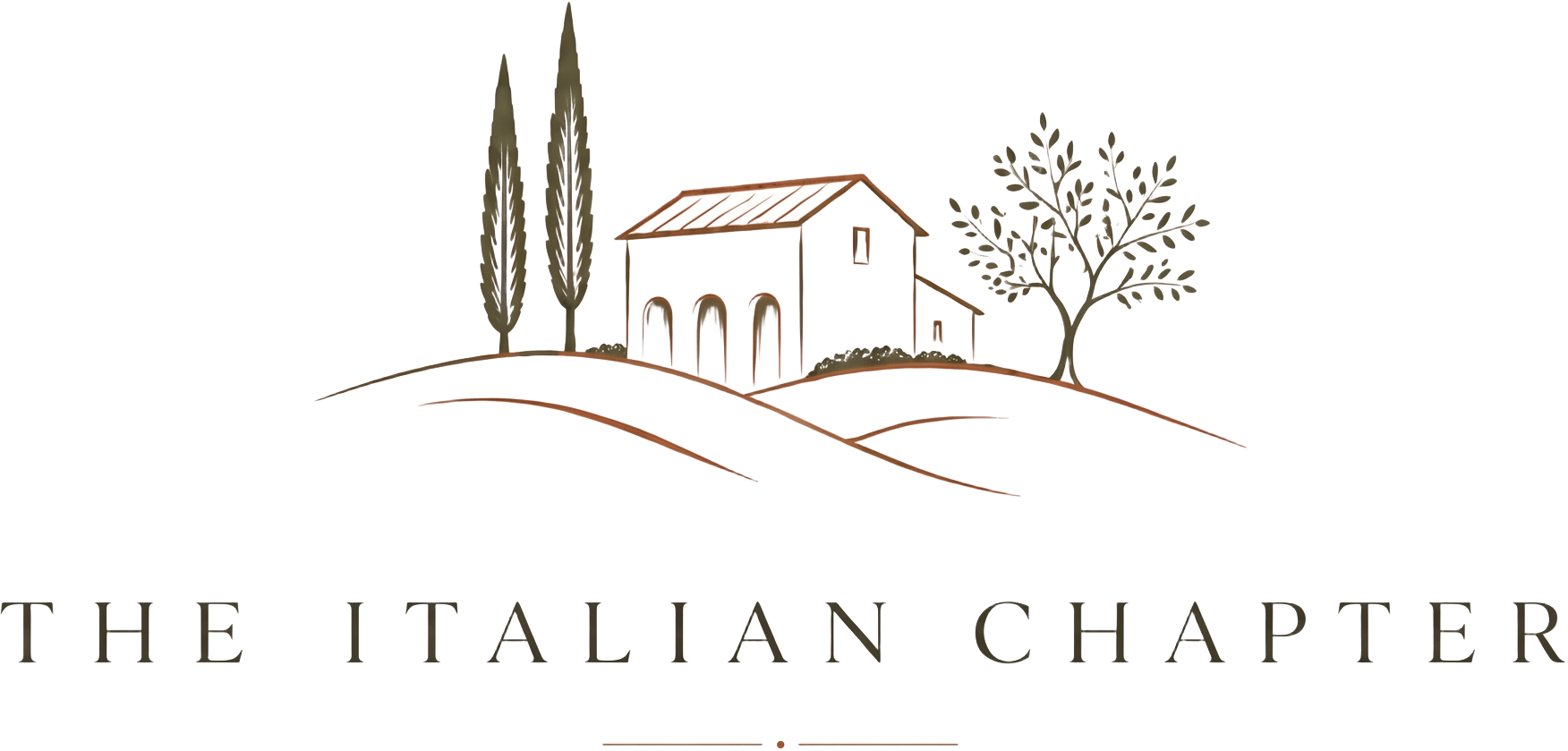
Long farm-to-table dinner laid between rows of Tuscan vines at sunset, with linen runner, candles and wine bottles

Sample Programme

A three-day leadership offsite in Chianti.

Every programme is built around the company, the agenda and the people attending. The outline below illustrates how a three-day offsite for roughly forty senior leaders might be structured on a private estate in Chianti.

Day One — Arrival

A composed welcome in Chianti.

  • Midday. Wave-sequenced private transfers from Florence and Pisa; named drivers airside, discreet placards under the project name.
  • 1:30 pm. Welcome lunch on the estate's lower terrace with estate-bottled Chianti Classico, an unhurried two hours.
  • Afternoon. Check-in and a free window: spa, walking trails or a guided cellar tour with the resident cellar master for those who want it.
  • 7:30 pm. Sunset aperitivo on the cypress terrace; opening dinner under the loggia held under exclusive use, no other guests on the property.

Day Two — Working & Experience

Productive by day, memorable by night.

  • 9:00 am. Three-hour leadership strategy session in the estate's converted granary, private AV and controlled access.
  • 1:00 pm. Working lunch in the orangery, light enough to keep the afternoon sharp.
  • 3:30 pm. Private truffle hunt in the estate's woods with a local trifolau and his dogs, followed by a tasting of the finds.
  • Late afternoon. Coworking and breakout time on the terrace, or optional horseback ride through the vineyards for those who want it.
  • 8:00 pm. Michelin-starred dinner in a historic villa overlooking the vineyards, paired with a boutique Brunello vertical.

Day Three — Closing

Unhurried by design.

  • Morning. Optional sunrise walk or vintage Vespa loop through the Chianti hills; closing leadership session in the granary from 10:00 am.
  • 12:30 pm. Handmade pasta workshop with a local nonna — pici rolled by hand, paired with the morning's session takeaways.
  • 1:30 pm. Farewell long lunch under the cypresses, the pasta course served first; partners join from late morning.
  • From 4:00 pm. Coordinated private transfers to Florence and Pisa, sequenced backwards from each flight with built-in autostrada buffer.

Frequently Asked Questions

Planning a corporate retreat in Tuscany.

  • Tuscany offers something few destinations can: an estate large enough to host an entire company under exclusive use, with full meeting infrastructure, accommodation, kitchen and grounds dedicated to one group. The landscape and hospitality tradition shape the tone of the meeting from the first evening — the agenda is supported by the destination rather than competing with it.

  • Twelve to eighty guests is where the region performs at its best. Smaller boards and executive committees take a single restored villa in Chianti or the Val d'Orcia. Mid-size leadership groups of 30–50 work well on the larger estates with full meeting infrastructure. Above 60, we use a primary estate combined with an off-site dinner venue rather than try to absorb the whole programme into one property.

  • Late April through June and early September through mid-October are the ideal windows: reliable weather, outdoor dining every evening and full estate availability. The harvest in September and October adds a layer of authenticity that is difficult to engineer at other times of year. November through March is well suited to focused indoor programmes — board retreats, strategy offsites, leadership integrations — at a different price point.

  • Florence airport is 30–60 minutes from most Chianti and northern Tuscan estates; Pisa is 45–90 minutes. Each guest is met airside by a named driver carrying a discreet placard with the project name rather than the company. Return departures are sequenced backwards from each flight with a built-in buffer for the autostrada.

  • Yes — the estates we recommend have purpose-built meeting infrastructure: converted granaries, orangeries and chapter rooms with full AV, controlled access and reliable connectivity. The advantage over a hotel meeting room is that the group does not disperse between sessions; the entire programme stays inside one perimeter.

  • For May, June, September and early October, confirm the estate 9–12 months ahead. The most sought-after exclusive-use properties are typically reserved 12–18 months out. Shoulder-season programmes are usually deliverable in 4–6 months. Early engagement allows us to design the agenda around the right venue rather than the other way around.

PLAN YOUR TUSCANY RETREAT

Begin with a thirty-minute conversation.

Tell us about the company, the objective of the retreat, and the kind of programme you are imagining in Tuscany. We will design and operate it end-to-end.