Destination · Rome

Corporate Retreats in Rome

Board meetings, executive offsites and senior client programmes in Rome — set inside historic palazzi, private clubs and venues opened out of public hours, with the discretion the city's most senior visitors expect.

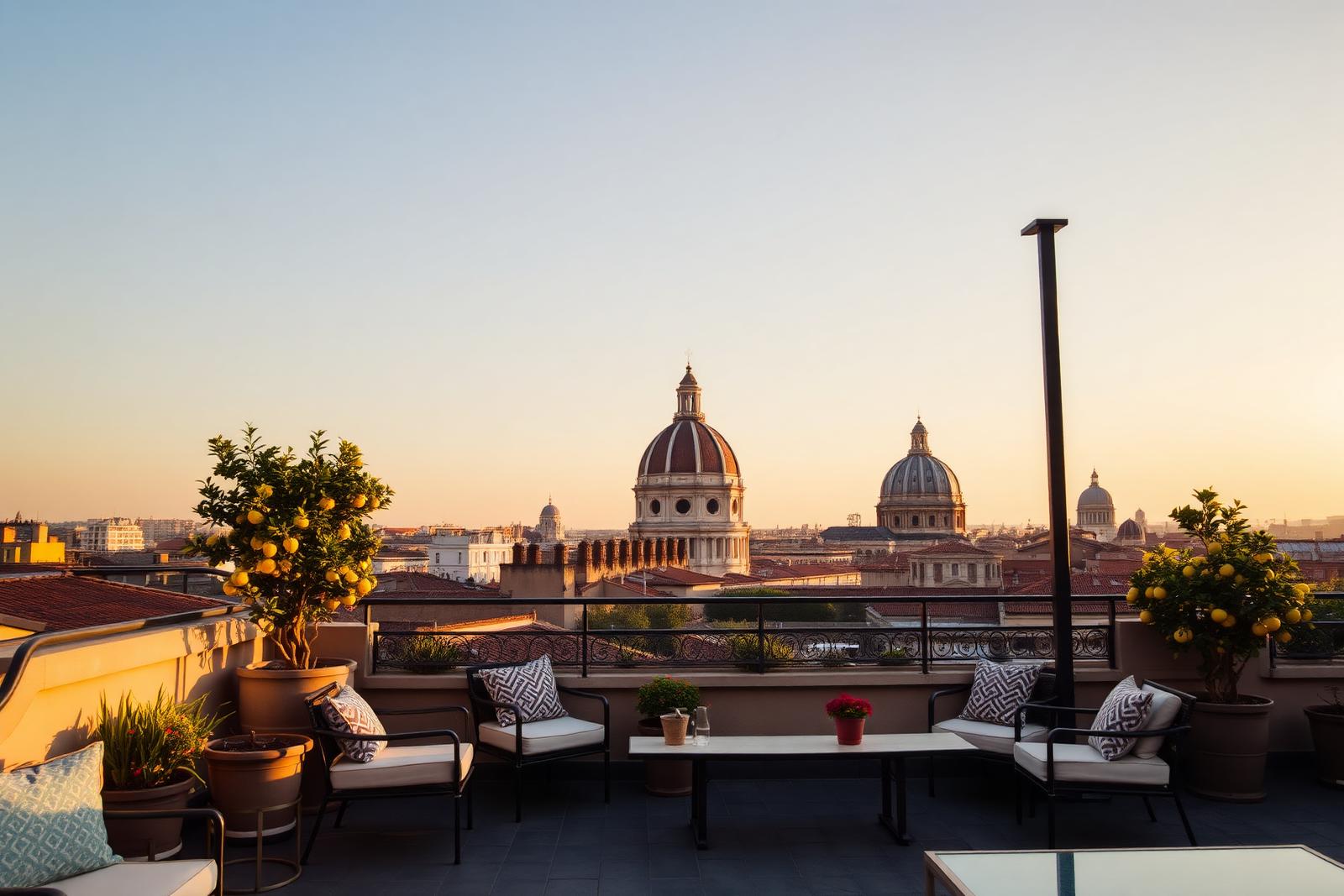
Rome rooftop terrace at golden hour overlooking baroque domes and the historic skyline, with potted citrus trees and elegant seating

Why Rome

The city retreat for programmes where weight matters.

Rome is the destination companies choose when the retreat is short, the audience is senior, and the surroundings need to carry institutional weight. A two-night executive offsite that opens with a private dinner in a 16th-century palazzo and closes with a closed-door visit to a Vatican collection signals to a senior cohort that the meeting is genuinely important — in a way no resort programme can.

Operationally, Rome behaves differently from any other Italian destination. The city is dense, the venue inventory is largely private, and access depends almost entirely on relationships. The same palazzo that is impossible to book on a tourist brief opens straightforwardly through the right channel; the same restaurant that has no tables for six months will hold a private room for the right project.

Rome works best for board meetings, executive committee gatherings, senior client programmes, and the first or last night of a longer Italian retreat — when the agenda calls for gravity rather than space to breathe.

Our Approach

Why companies choose The Italian Chapter.

A Rome programme is won or lost on access, sequencing and discretion. The city does not reward generic planning. We design every Roman programme around long-standing relationships with palazzo families, hotel general managers, ecclesiastical institutions and the city's most senior concierges — and operate the full programme end-to-end, from venue contracting through on-site delivery.

Access to private venues

Many of the rooms, gardens and rooftops we use are not on public sales channels. They are held by families or institutions and released through the right project, not through a booking enquiry.

Ecclesiastical and museum relationships

Vatican collections, the Galleria Borghese, the Capitoline Museums and several private collections can be opened for closed-door corporate visits — arranged through formal channels that take time to build.

Single point of contact

One project manager owns the brief, the run sheet and every supplier. The client's internal team arrives prepared and unburdened.

City logistics designed for senior guests

Roman traffic is unforgiving. Movements are routed and timed for the centre's specific patterns, with named drivers, contingency vehicles and police-cleared zones where the venue permits.

Discretion as standard

Hotels are booked under a project name. Guest lists circulate only where required. Front-of-house teams brief on which principals are public-facing and which are not before any guest arrives.

Curatorial-grade dining

Roman dining at the level our clients expect is a relationship business. Starred chefs, private rooms in family-run trattorie, and rooftop venues are held for our projects on dates that show as unavailable to the public.

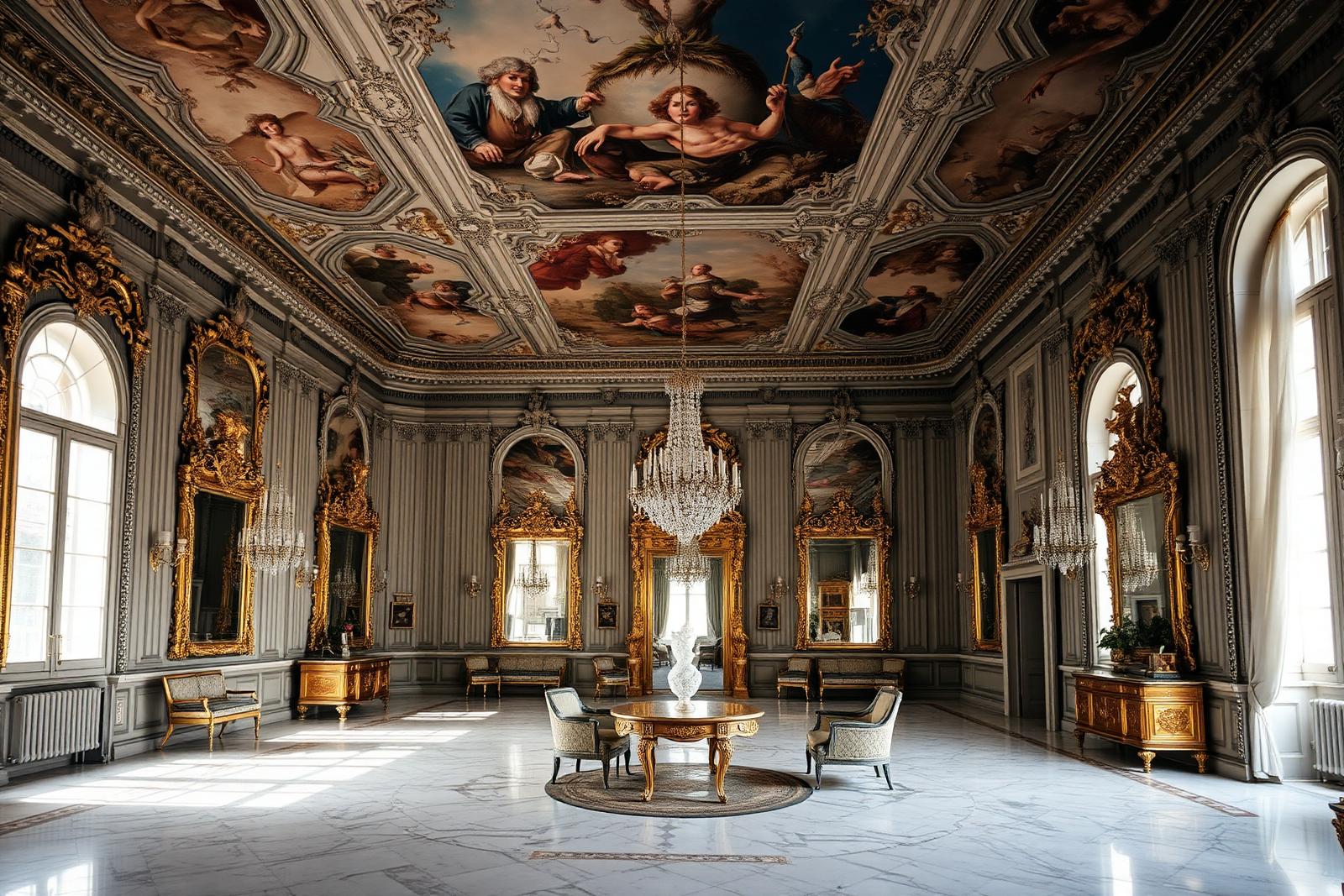
Opulent Roman palazzo salon with frescoed ceilings, gilded mirrors and marble floors in soft natural light

Where We Host

Historic palazzi, grand hotels and private institutions.

Five-star hotels with private meeting infrastructure. The city's grand houses — across the historic centre and the Parioli district — offer dedicated meeting floors, board-grade AV, full concierge teams and the discretion senior corporate guests expect. We contract directly with the general managers, which secures meeting space, exclusivity zones and rooftop venues outside published inventory.

Private palazzi for dinners and receptions. Several historic palazzi across the centre — owned by families, foundations or private clubs — are available for private corporate dinners and receptions. Held under the project name, with the family's own staff and a chef brought in for the evening.

Embassies, clubs and dimore storiche. For closed-door receptions where the institutional setting matters as much as the dinner, private clubs and historic residences offer settings that read as serious rather than performative.

Signature Experiences

Closed-door moments in the most-seen city in Europe.

Rome only feels exclusive when it is genuinely empty. The strongest Roman programmes are built around two or three moments that the rest of the world cannot reach.

Closed-door Vatican and Sistine Chapel visits. Out-of-hours visits to the Vatican Museums and the Sistine Chapel, with a senior guide and no other groups in the space. Arranged through formal channels that require advance lead time.

Galleria Borghese after hours. A private evening visit to one of the great small collections in Europe, often with a curator leading. Followed by dinner at a venue in the Borghese gardens.

Rooftop receptions over the historic centre. Private terraces over the Pantheon, Piazza Navona and the Spanish Steps held under exclusive use for opening or closing receptions.

Private palazzo dinners. An evening inside a family-owned palazzo with the family's staff and a starred chef brought in to cook. The setting carries the dinner; the menu is built to match it.

Private papal audience facilitation. Where the cohort and the calendar align, group access to a papal audience can be arranged for senior corporate visits. Requested through formal channels with significant lead time.
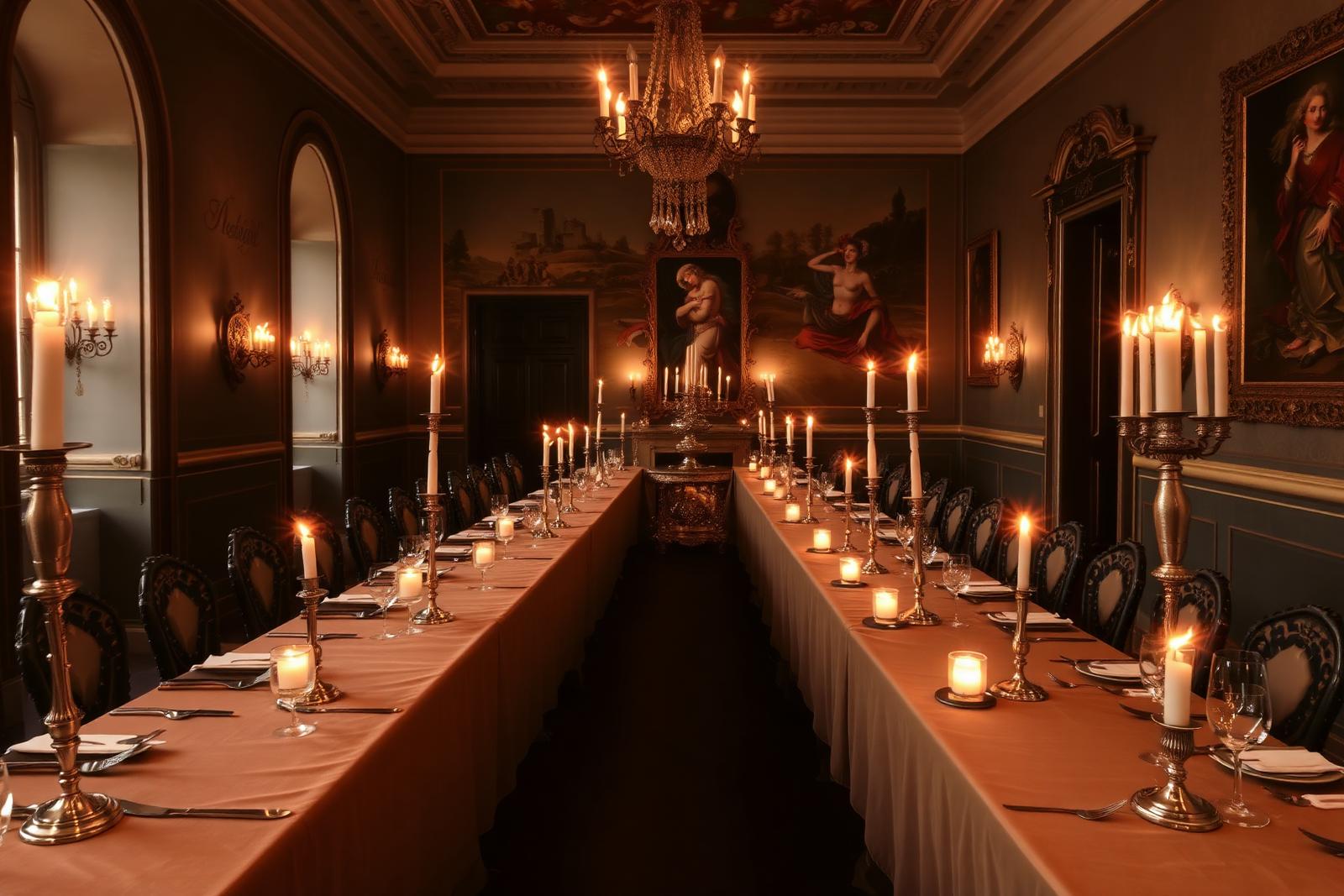
Candlelit private dining inside a historic Roman palace, with silver candelabra, crystal and painted walls

Sample Programme

A two-night executive offsite in central Rome.

Rome programmes are typically short and dense. The outline below illustrates a two-night executive offsite for twenty-five senior leaders staying in a single five-star hotel in the historic centre.

Day One — Arrival

An opening that sets the tone.

  • Afternoon. Private transfers from Fiumicino; named drivers airside, ZTL-permitted vehicles to the hotel door in the centro storico.
  • 6:00 pm. Check-in and unstructured time at the hotel; private golf-cart sunset tour of monumental Rome for those who want it.
  • 8:30 pm. Private welcome dinner inside a historic palazzo in the centro storico, family hosting under the project name.

Day Two — Working day

Sessions in the morning, the city in the evening.

  • 9:00 am. Half-day strategy session in the hotel's private boardroom with controlled access, dedicated AV and sweep the day before.
  • 1:00 pm. Working lunch in a reserved private dining room; coworking space available afterwards for breakouts.
  • 4:30 pm. Exclusive after-hours Colosseum access with an archaeologist — the arena floor and the underground hypogeum closed to the public.
  • 7:30 pm. Aperitivo on a private rooftop directly over the Pantheon; dinner in the private room of a Michelin-starred Roman kitchen.

Day Three — Closing

A short morning, an unhurried departure.

  • 7:30 am. Private Vatican Museums experience — Sistine Chapel and Raphael Rooms entered before the museums open to the public.
  • 11:00 am. Exclusive artisan workshop — bespoke perfume, mosaics or Roman tailoring, the cohort split into small groups for genuine access.
  • 1:30 pm. Closing lunch in a historic trattoria reserved under exclusivity, or — for cohorts with the time — a private lakeside lunch at Castel Gandolfo.
  • From 4:00 pm. Coordinated private transfers to Fiumicino, sequenced backwards from each flight with built-in traffic buffer.

Frequently Asked Questions

Planning a corporate retreat in Rome.

  • Rome is the right answer when the meeting is short, the audience is senior and the setting needs institutional weight. Two nights in central Rome, opening with a private palazzo dinner and closing with a closed-door collection visit, signals a different level of intent than a resort programme. For a board meeting, an executive committee or a senior client moment, the city is the message.

  • Eight to fifty guests is where the city is most controllable. Above fifty, the venues that read as exclusive begin to feel populated rather than private, and movement through the historic centre slows considerably. For larger gatherings we typically recommend pairing Rome with a country retreat in Tuscany or the Castelli Romani.

  • April to June and mid-September to early November are the strongest windows: mild weather, full venue availability, and the city operating at corporate rather than tourist rhythm. December and January are excellent for board meetings and indoor programmes. July and August we typically discourage for senior corporate audiences.

  • Fiumicino is 30–45 minutes from most central hotels; Ciampino is 25–40. We use named drivers met airside, with arrival waves sequenced to avoid lobby congestion. Inside the historic centre, traffic restrictions (ZTL) shape every movement; venues are matched to their access permissions before contracting, not after.

  • Yes — for groups represented through the right channels and given the right lead time. Vatican collections, several private palazzi and a number of historic clubs open for closed-door corporate visits on a regular basis. Lead time for the most sought-after settings is typically 4–6 months.

  • Frequently as the opening or closing chapter. A two-night Rome opener followed by three nights in Tuscany or on the Amalfi Coast is one of the most reliable Italian programme formats for senior international audiences — the city establishes the tone, the country provides the space for the meeting itself.

PLAN YOUR ROME RETREAT

Begin with a thirty-minute conversation.

Tell us about the company, the audience and the result you want the Roman programme to produce. We will design and operate it end-to-end.