
Magazine · Corporate retreats · Italy
Small Corporate Retreats in Italy: How to Choose the Right Venue for Your Team
Private bedrooms, thoughtful meeting spaces and a location that makes the programme feel effortless: a guide to planning a retreat for 8–20 people.
By Alessia Piperno
When planning a small corporate retreat in Italy, the property shapes much of the experience. It determines how the team spends time together, how easily work fits into the day and how much time is spent travelling between activities.
For a group of 8–20 people, the details become particularly important. Everyone may want a private bedroom, but the team also needs somewhere comfortable to gather. A beautiful dining room might suit a long dinner perfectly while offering very little privacy for a leadership discussion. A secluded villa might look ideal until every outing requires a lengthy transfer.
I organise retreats around the people attending, the purpose of the gathering and the way the group wants to spend its time. The venue search follows that brief.
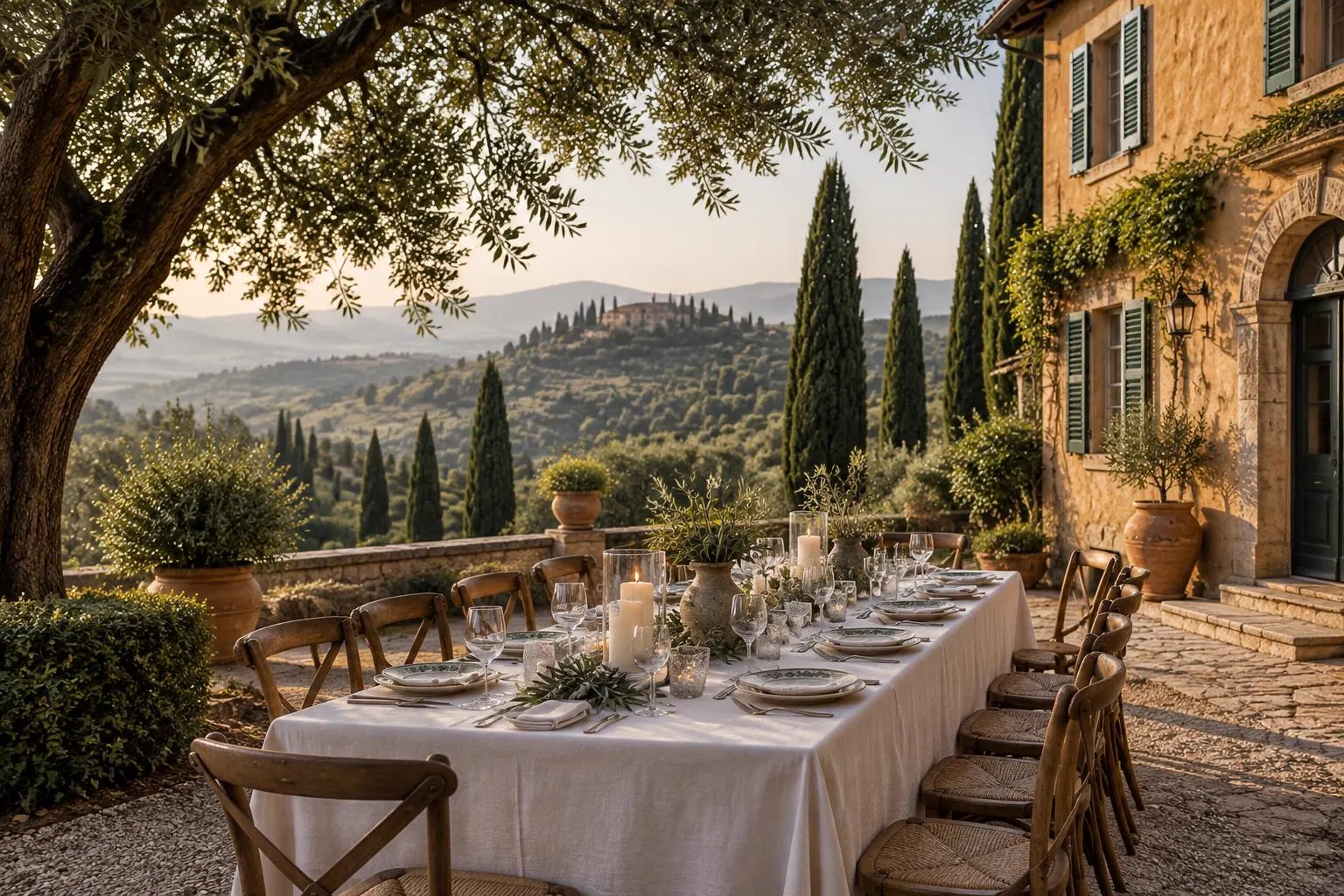
Start with the bedrooms
One of the first questions I ask is whether everyone needs their own room. For corporate groups, the answer is usually yes.
A property advertised as sleeping 20 people may have ten bedrooms. That works for some private celebrations, but it does not meet the needs of a team expecting 20 individual rooms.
In my venue searches, many private villas offer around 10–14 bedrooms or fewer. Larger properties exist, but the choice becomes more limited when every guest needs a private room alongside suitable communal and working spaces.
For eight or ten people, a villa can be an excellent option. For 18 or 20 colleagues, I would often look more closely at a boutique hotel, a masseria or a larger estate.
Before presenting a property, I check the actual room configuration: bedroom numbers, bathrooms, room categories and whether any accommodation sits in separate buildings. These details matter much more than the headline sleeping capacity.
Private villa, boutique hotel or masseria?
The right accommodation depends on how much privacy, service and structure the team needs.
| Accommodation | When I would consider it | What needs checking |
|---|---|---|
| Private villa | A smaller team that wants privacy and shared living spaces | Individual bedrooms, bathrooms, housekeeping, catering arrangements and a workable meeting setup |
| Boutique hotel | A group that needs more private rooms and established hotel services | Room allocation, private dining, meeting facilities and spaces shared with other guests |
| Masseria or country estate | A team that wants to spend much of the retreat together on the property | Exclusive-use terms, bedroom layout, working spaces and travel time to planned activities |
- Accommodation
- Private villa
- When I would consider it
- A smaller team that wants privacy and shared living spaces
- What needs checking
- Individual bedrooms, bathrooms, housekeeping, catering arrangements and a workable meeting setup
- Accommodation
- Boutique hotel
- When I would consider it
- A group that needs more private rooms and established hotel services
- What needs checking
- Room allocation, private dining, meeting facilities and spaces shared with other guests
- Accommodation
- Masseria or country estate
- When I would consider it
- A team that wants to spend much of the retreat together on the property
- What needs checking
- Exclusive-use terms, bedroom layout, working spaces and travel time to planned activities
A villa can create a relaxed setting where conversations continue over breakfast, during a break or around the dinner table. However, the service arrangements need to be understood before booking. A private chef, daily housekeeping and meeting equipment should never be assumed to be included.
A hotel can make the practical side easier, particularly when the group needs more bedrooms or a dedicated meeting room. The important question is whether the team has enough private space to feel comfortable working and spending time together.
A masseria can offer a particularly strong combination of accommodation, food and shared outdoor spaces. As with any property, I assess the individual venue rather than relying on the category alone.
A meeting space needs to work for the whole day
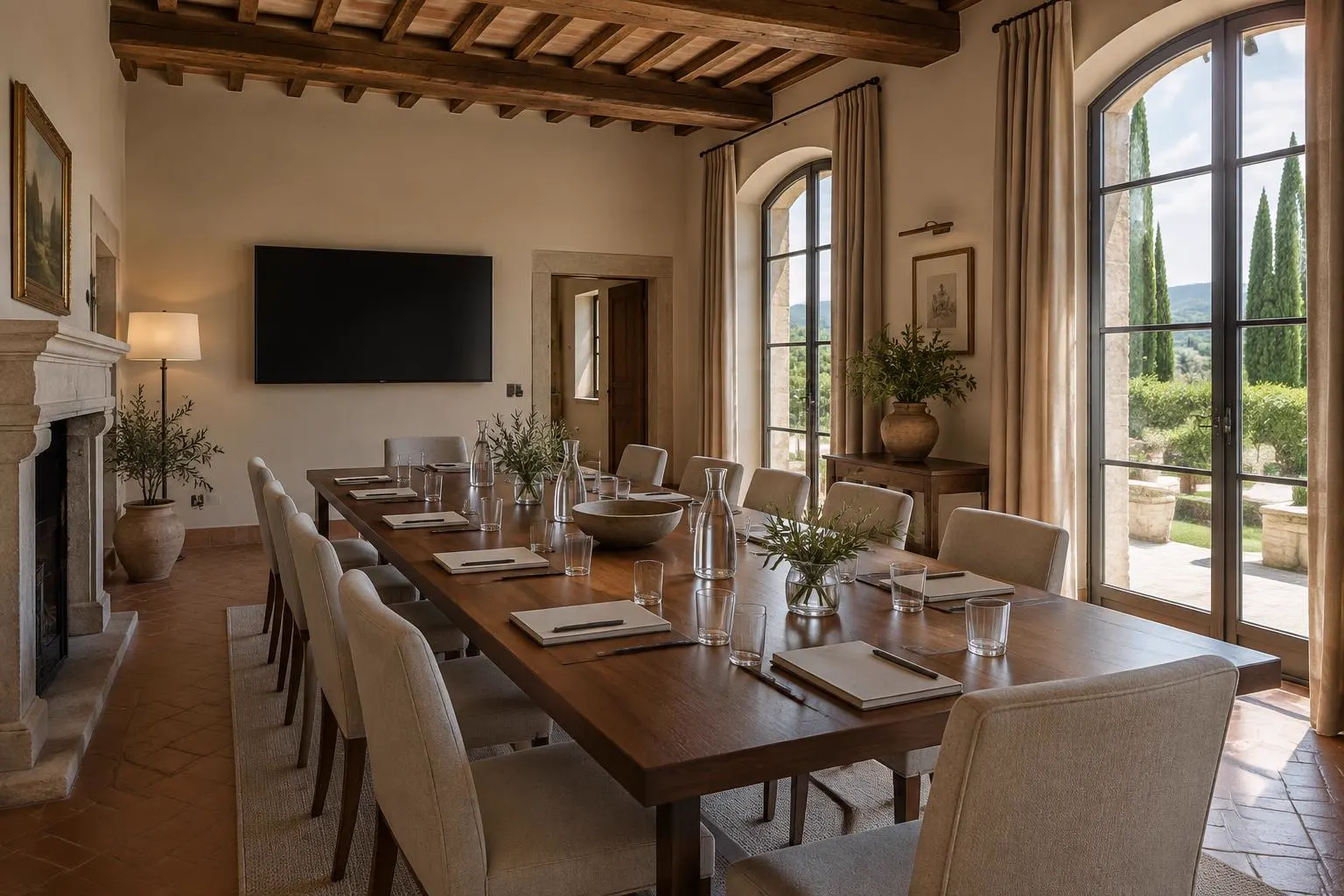
For a leadership retreat or a programme with regular work sessions, I look beyond whether the venue advertises a meeting room.
I check:
- Reliable Wi-Fi in the actual working space.
- Natural light and lighting suitable for presentations.
- Comfortable chairs and enough table space.
- Acoustics and privacy for confidential conversations.
- Screens, connections, power sockets and the equipment required.
- Room layout and whether it supports the planned sessions.
- Heating, cooling and ventilation.
- Space for breaks without disrupting the meeting.
The furniture and setup deserve as much attention as the room itself. A lounge with low sofas may work for an informal conversation, but it may be uncomfortable for several hours of laptop work.
For a small team, the best arrangement is often a comfortable, appropriately sized room close to the bedrooms and dining areas. It allows work to fit naturally into the programme.
Two small-group programmes I have organised
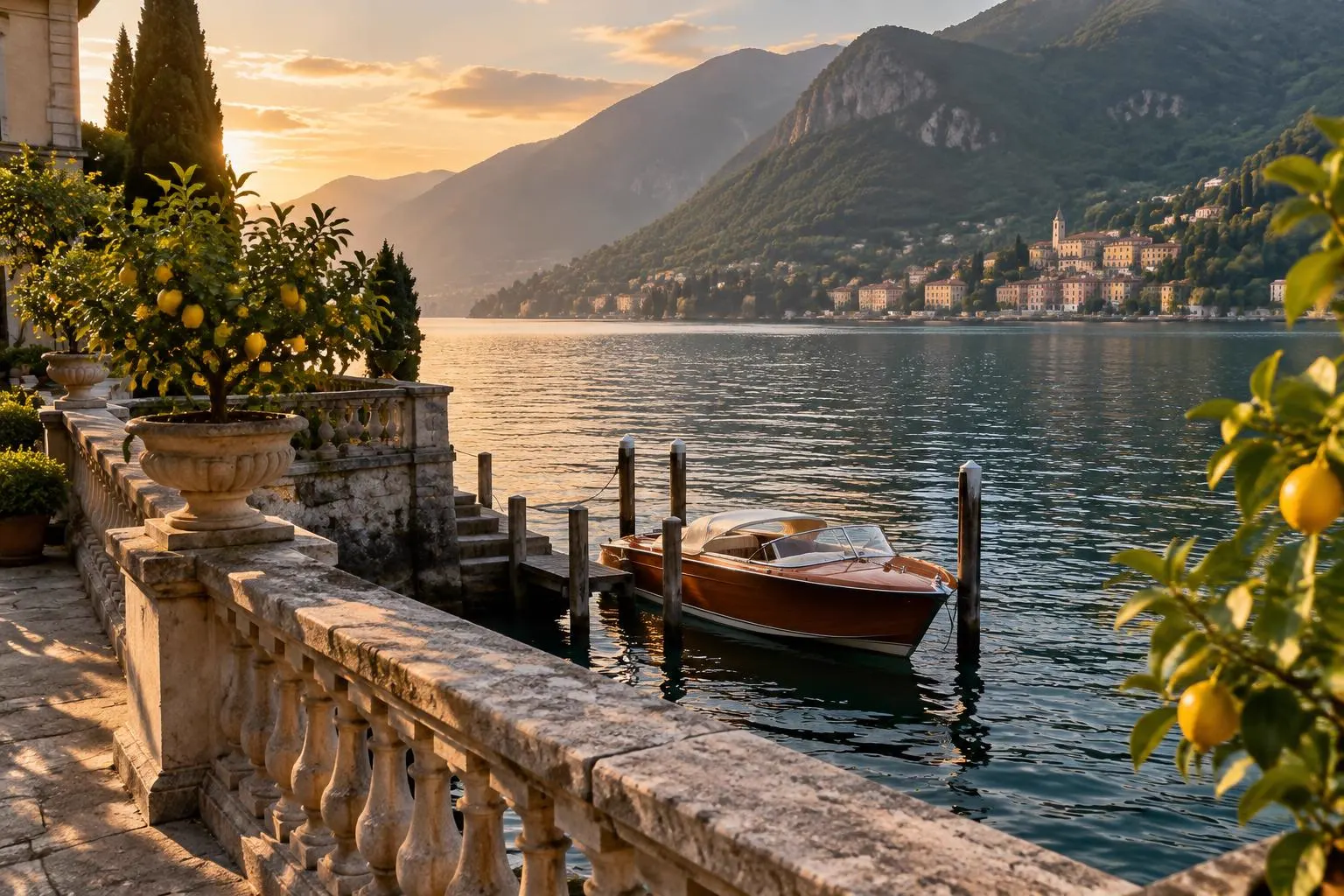
Lake Como: 12 people in Bellagio
For a group of 12, I organised a stay at a hotel in Bellagio with lake views. The programme included lunch at a Michelin-starred restaurant, a private boat tour, villa visits and a winery visit.
The group size allowed for a personal programme, with shared meals and private experiences that everyone could enjoy together.
For a similar itinerary, possible cultural stops include Villa del Balbianello and the gardens of Villa Melzi. The choice depends on the hotel location, the boat route, opening arrangements and the time available.
On Lake Como, I consider the itinerary and accommodation together. The position of the hotel affects how easily the group can reach each experience and return with time to relax before dinner.
Puglia: 18 people in an exclusive masseria
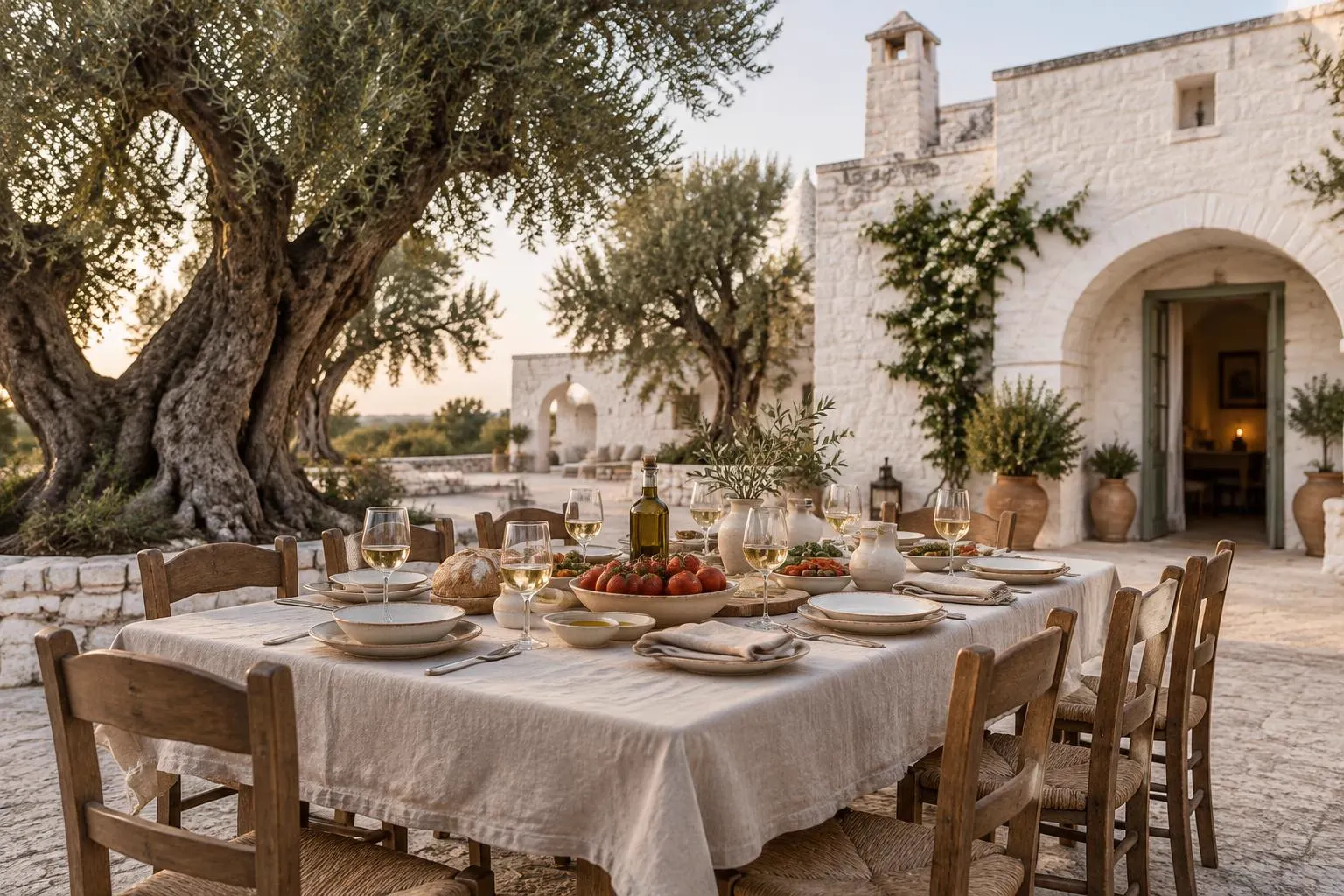
For another group of 18, I arranged an exclusive masseria near Monopoli.
The programme included food featuring the masseria’s own produce, a cave visit, a sailing trip with an aperitif, an olive oil tour and tasting, and meditation.
Having the property to ourselves gave the group a shared base throughout the stay. Meals and quieter moments on the estate were part of the experience, alongside the outings.
This is one reason I like considering exclusive properties for small groups: the accommodation can contribute directly to the programme, rather than simply being somewhere to sleep.
Where would I plan a small corporate retreat in Italy?
Some of the destinations I particularly like for smaller groups are the Dolomites, Puglia, Umbria, Sardinia and the Amalfi Coast.
The choice depends on the season, the arrival arrangements and how much of the programme will take place at the property.
The Dolomites
I would consider the Dolomites for a team that wants mountain scenery, outdoor experiences and time at a hotel with a spa or a private chalet.
The season should be chosen around the activities the group actually wants to do. The arrival journey also needs careful attention, especially when guests are travelling internationally.
My guide to planning a corporate retreat in the Dolomites explores those decisions in more detail.
Puglia
For a small group, I would often begin by looking at masserie with enough private bedrooms and generous shared spaces.
I like programmes that connect the stay with local food, olive oil experiences and time by the sea, while leaving room to enjoy the property itself. The masseria near Monopoli is a good example of how that can work.
Umbria
I would consider Umbria for a team looking for a countryside setting and a programme with plenty of time together at the property.
A private estate can be a strong starting point, provided the bedrooms, working spaces and service arrangements meet the brief. I would plan outings around the chosen base rather than filling the schedule with distant stops.
Sardinia
For Sardinia, I would choose the specific area before building the programme.
The airport, hotel and departure point for any boat experience need to make sense together. For a small group, I would aim for a comfortable base with a manageable selection of nearby experiences.
The Amalfi Coast
I like considering the Amalfi Coast for a small incentive group with time for shared meals, boat experiences and a carefully paced itinerary.
Here, the precise location of the hotel is especially important to my planning. I would check vehicle access, luggage arrangements, steps and the practical journey to each activity before recommending a property.
Do you need exclusive use?
Exclusive use can make a meaningful difference, particularly when the team wants privacy and a shared atmosphere throughout the stay.
It may allow the group to have meals together, gather informally between sessions and use agreed spaces without other hotel guests nearby.
Whether it is worth the investment depends on the number of people, the property and the programme. A group of eight may find everything it needs in a villa. A group of 20 may be better served by a small hotel with private meeting and dining spaces.
I also clarify exactly what “exclusive use” includes. Bedrooms, gardens, pools, restaurants and event spaces should be addressed in the proposal, along with any areas that remain accessible to others.
The biggest mistake: underestimating distances
The mistake I see most often is choosing locations without fully considering the journeys between them.
A hotel, restaurant and activity can all look close on a map while creating an awkward day in practice. Road access, traffic, boat arrangements and the time needed to gather the group all affect the schedule.
For a short retreat, repeated transfers can consume time that would be better spent working, relaxing or enjoying an experience together.
Before recommending a venue, I look at the whole programme:
- How will guests reach the property?
- How long will each planned outing take, including the return?
- Can the group enjoy some experiences on site?
- Is there enough time to get ready between an activity and dinner?
- Does the itinerary still feel comfortable if a journey takes longer than expected?
My preference is to choose a strong base and build a realistic programme around it. A small group does not need to visit every nearby town to have a memorable stay.
Leave space to enjoy the retreat
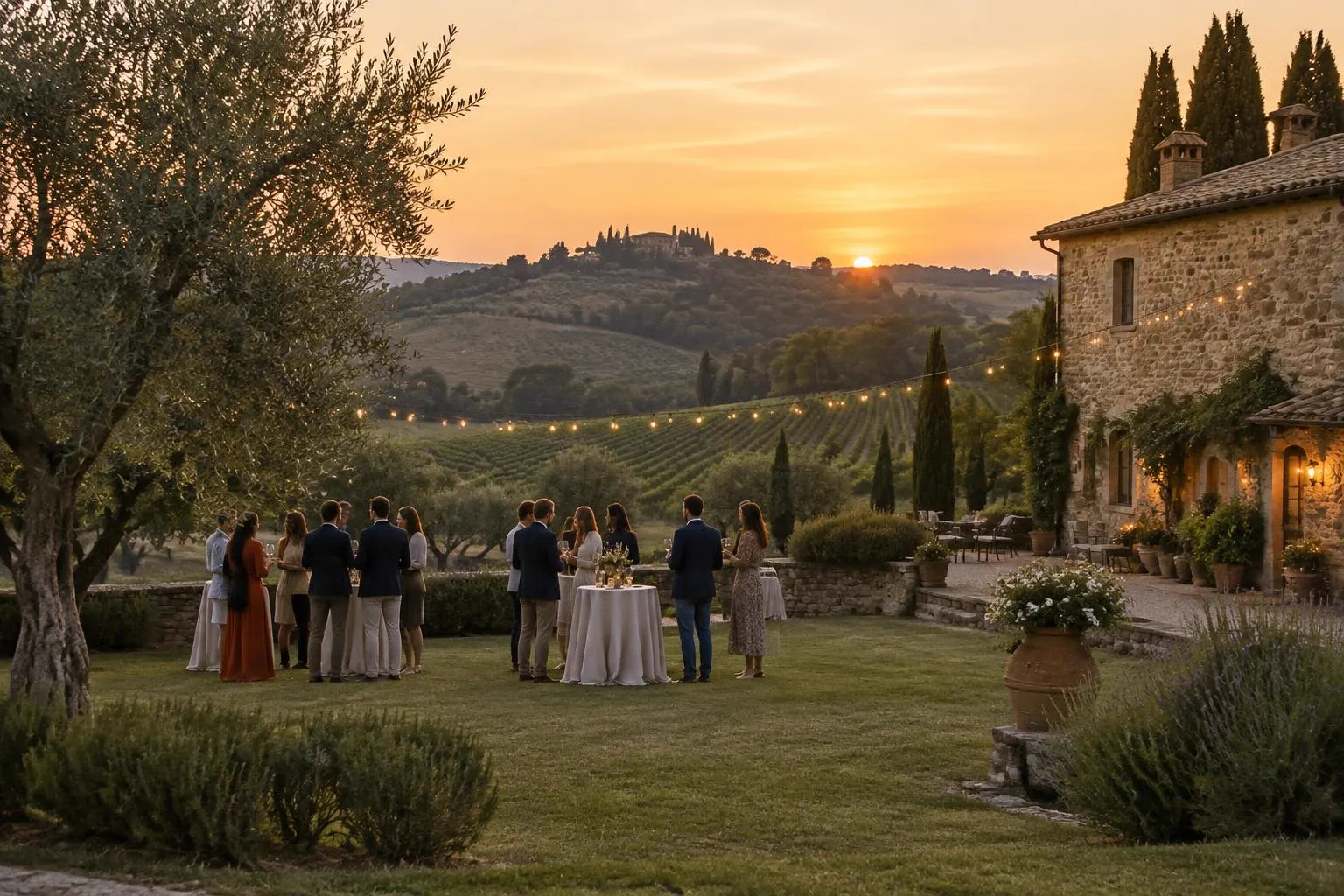
For groups of 8–20 people, a shared lunch, a boat trip or an evening at the property can provide plenty of time to connect.
I generally recommend no more than one main activity per day, alongside meals and any planned work sessions. A full day out should have room to breathe.
The aim is to create a programme people enjoy participating in, with enough space for conversations that are not scheduled.
For more ideas, see my guide to team-building activities in Italy.
Compare the complete proposal
When comparing properties, I consider the total programme cost alongside the accommodation rate.
A villa may require separate catering, meeting equipment and additional services. A hotel may offer those facilities but charge separately for private spaces. A more remote property may add substantial transport time and cost.
The useful comparison is between complete proposals that reflect the same requirements.
My guide to corporate retreat costs in Italy explains the main elements to consider when setting the budget.
Planning your small corporate retreat
I start with your dates, group size, budget and the purpose of the retreat. I then look for properties that fit the way your team wants to work and spend time together.
My role includes assessing the accommodation, checking the practical details, coordinating suppliers and bringing the programme together. You have one point of contact throughout the planning process, with support available remotely during the event. On-site attendance can also be arranged for a separate fee.
If you are planning a corporate retreat in Italy for 8–20 people, complete the enquiry form or email retreats@theitalianchapter.com with your preferred dates, guest numbers and an outline of what you have in mind.
Planning a gathering in Italy?
Tell Alessia who you are bringing together and what you would like the time to feel like.
Start your enquiry