
Magazine · Corporate retreats · Italy
Team-Building Activities in Italy: Choosing the Right Experiences for Your Group
Cooking classes, private boat trips, creative workshops and time in nature: how to choose experiences that fit your people, your destination and the purpose of your retreat.
By Alessia Piperno
Choosing team-building activities in Italy starts with understanding the people coming together. A company bringing its entire team abroad will have different priorities from a small leadership group or colleagues travelling on an incentive programme.
Before suggesting experiences, I ask what the event needs to achieve. How much time will be dedicated to work? How well do the participants know each other? Is the intention to celebrate, make space for conversations or spend a few enjoyable days together?
Those answers shape the programme.
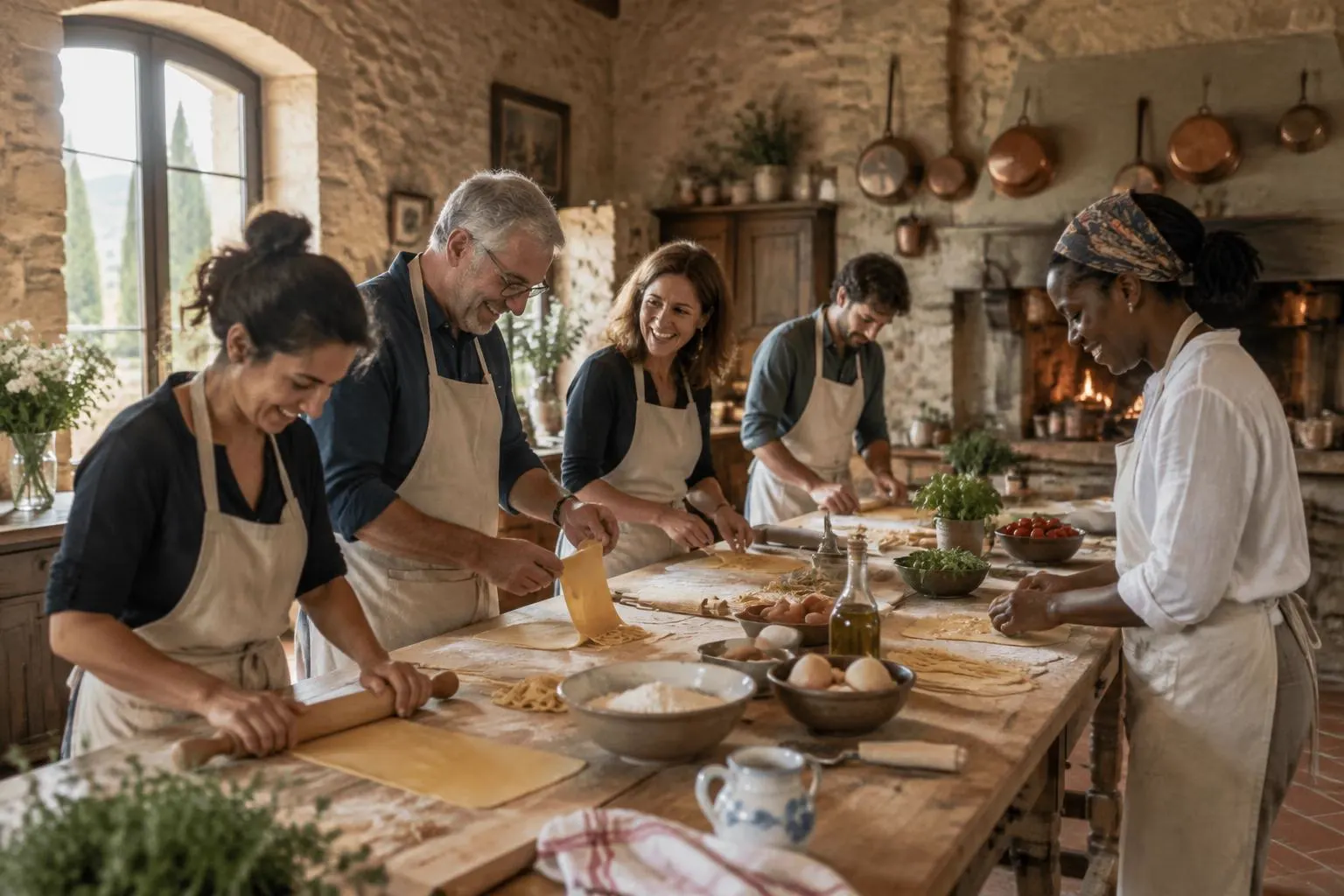
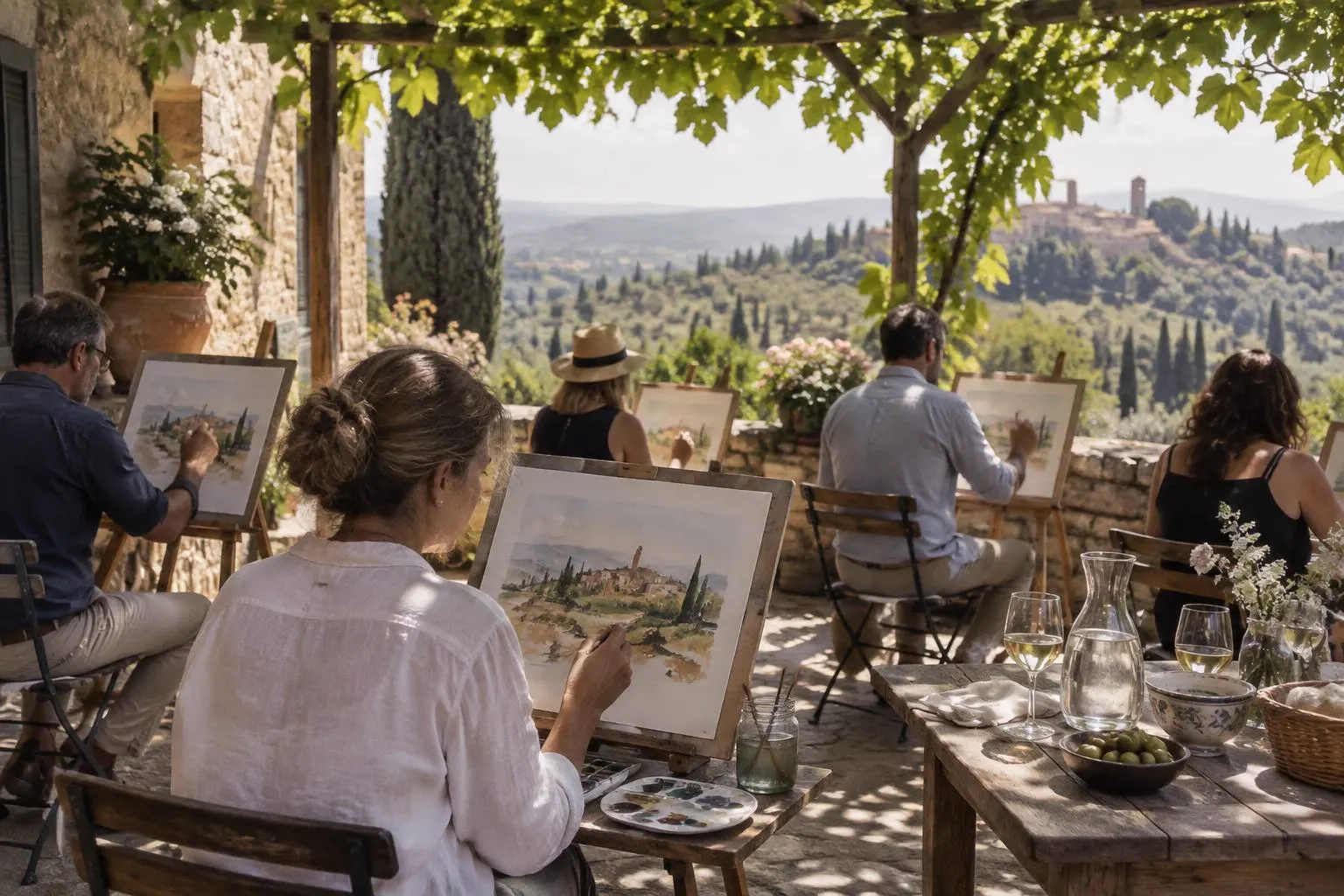
For the corporate retreats and events I organise in Italy, shared experiences give colleagues time together outside their usual working environment. That might mean making pasta, painting over a glass of wine or spending an afternoon on the water.
My main advice is simple: choose carefully and leave room to enjoy it.
What kind of team-building experience does your group need?
For many of my clients, a pleasant experience together is enough. They want colleagues to relax, talk and enjoy the destination without every activity becoming a competition or a structured exercise.
A cooking class gives people something to do together. A guided walk creates opportunities for conversations beyond the meeting room. A creative workshop introduces something unfamiliar, with no expectation that anyone should already be good at it.
If your brief involves a specific organisational challenge, such as conflict resolution or leadership development, that calls for a different approach and potentially a specialist facilitator. The experiences described here focus on shared enjoyment, local discovery and time together.
The balance also changes with the purpose of the trip. A retreat with substantial meeting time needs activities that fit around the working day. An incentive programme can give more space to exploring and celebrating.
Team-building activities in Italy: comparing the options
The right choice depends on your group size, interests, location and available time.
| Experience | When I would consider it | What needs planning |
|---|---|---|
| Cooking classes and food workshops | For groups who enjoy participating and sharing a meal | Working space, dietary requirements and smaller groups so everyone can take part |
| Wine and cheese tastings | For a relaxed afternoon centred on local food and conversation | Transfers, pacing and appealing options for guests who do not drink |
| Truffle hunting | For groups interested in regional food and the countryside | Season, terrain, weather and walking requirements |
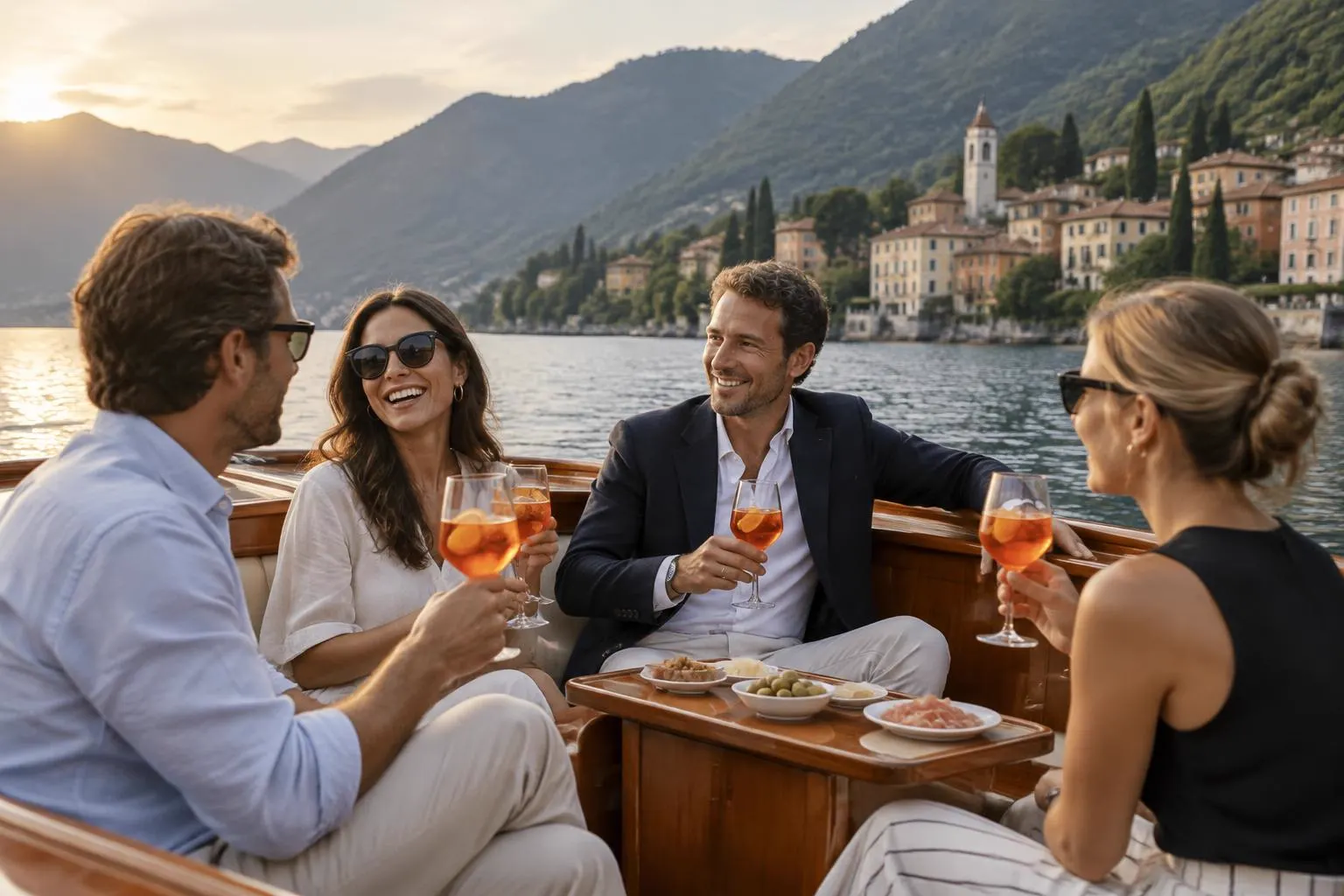
| Private boat trips | For a day together on the coast or lakes | Departure point, capacity, comfort on the water and a weather alternative |
| Vespa tours | For groups interested in an active way to explore | Riding experience, licence requirements, route and alternatives for non-riders |
| Painting, sculpture and artisan workshops | For a creative break during the retreat | Suitable teaching, materials, space and enough individual attention |
| Escape rooms and team games | For groups who enjoy puzzles and a shared challenge | Team sizes, language and the level of competition people will enjoy |
| Guided trekking | For groups who want to spend time outdoors | Fitness, accessibility, conditions and the actual difficulty of the route |
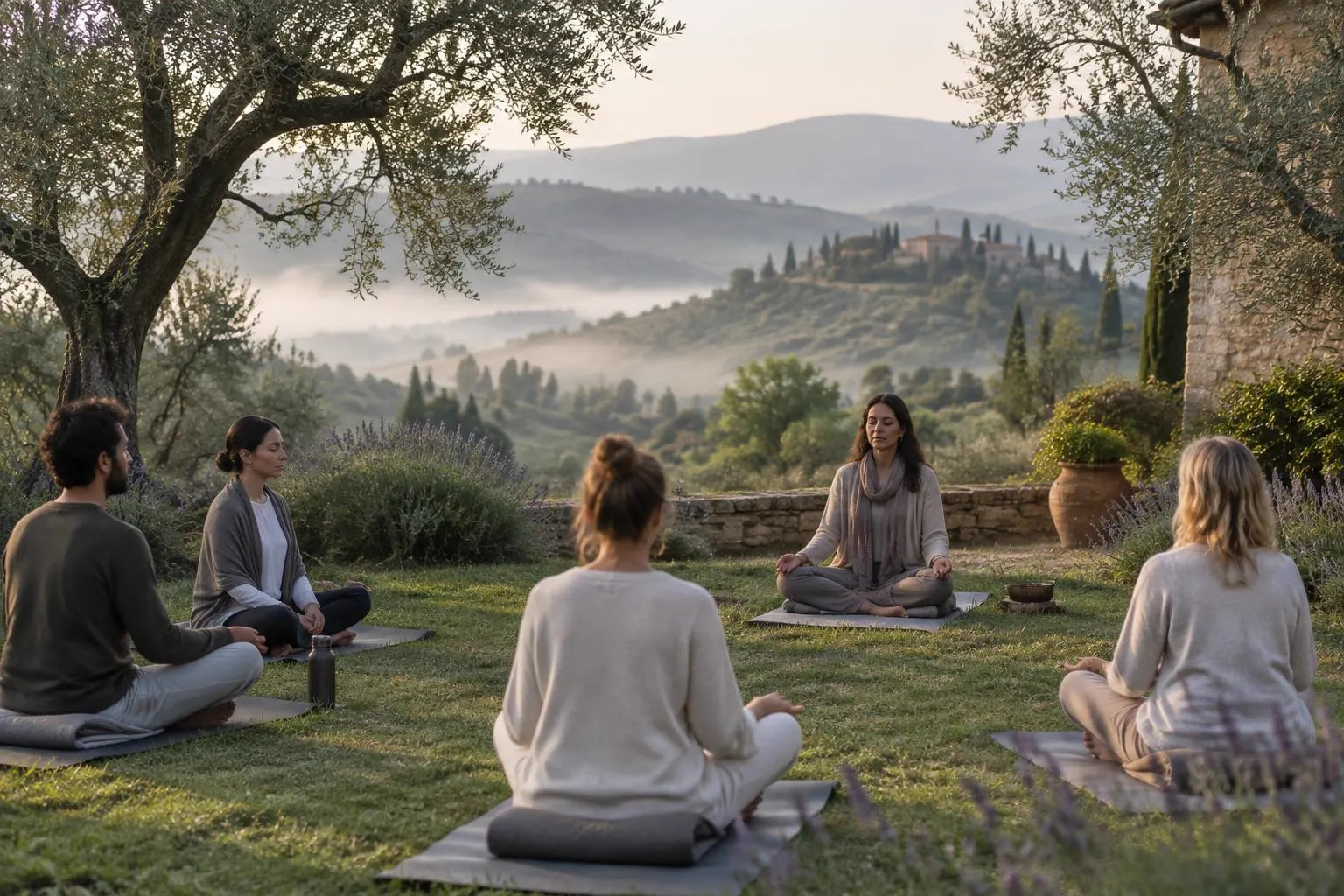
| Yoga, meditation and singing bowl sessions | For groups who would welcome a quieter part of the programme | An appropriate setting, an experienced practitioner and optional participation |
| Botanical and herb workshops | For a slower experience connected to plants and local traditions | Workshop content, season and a knowledgeable host |
- Experience
- Cooking classes and food workshops
- When I would consider it
- For groups who enjoy participating and sharing a meal
- What needs planning
- Working space, dietary requirements and smaller groups so everyone can take part
- Experience
- Wine and cheese tastings
- When I would consider it
- For a relaxed afternoon centred on local food and conversation
- What needs planning
- Transfers, pacing and appealing options for guests who do not drink
- Experience
- Truffle hunting
- When I would consider it
- For groups interested in regional food and the countryside
- What needs planning
- Season, terrain, weather and walking requirements
- Experience
- Private boat trips
- When I would consider it
- For a day together on the coast or lakes
- What needs planning
- Departure point, capacity, comfort on the water and a weather alternative
- Experience
- Vespa tours
- When I would consider it
- For groups interested in an active way to explore
- What needs planning
- Riding experience, licence requirements, route and alternatives for non-riders
- Experience
- Painting, sculpture and artisan workshops
- When I would consider it
- For a creative break during the retreat
- What needs planning
- Suitable teaching, materials, space and enough individual attention
- Experience
- Escape rooms and team games
- When I would consider it
- For groups who enjoy puzzles and a shared challenge
- What needs planning
- Team sizes, language and the level of competition people will enjoy
- Experience
- Guided trekking
- When I would consider it
- For groups who want to spend time outdoors
- What needs planning
- Fitness, accessibility, conditions and the actual difficulty of the route
- Experience
- Yoga, meditation and singing bowl sessions
- When I would consider it
- For groups who would welcome a quieter part of the programme
- What needs planning
- An appropriate setting, an experienced practitioner and optional participation
- Experience
- Botanical and herb workshops
- When I would consider it
- For a slower experience connected to plants and local traditions
- What needs planning
- Workshop content, season and a knowledgeable host
These are starting points. A good programme takes the interests of the group and develops something appropriate around them.
Let the destination influence the activities
I like the experiences to have a connection with the place where the group is staying. The food, landscape and local expertise should help shape the retreat.
Here are some examples of programmes I have organised.
The Langhe: wine, chocolate and quieter moments
For a group of 22 guests travelling from London, I organised a five-day programme in the Langhe.
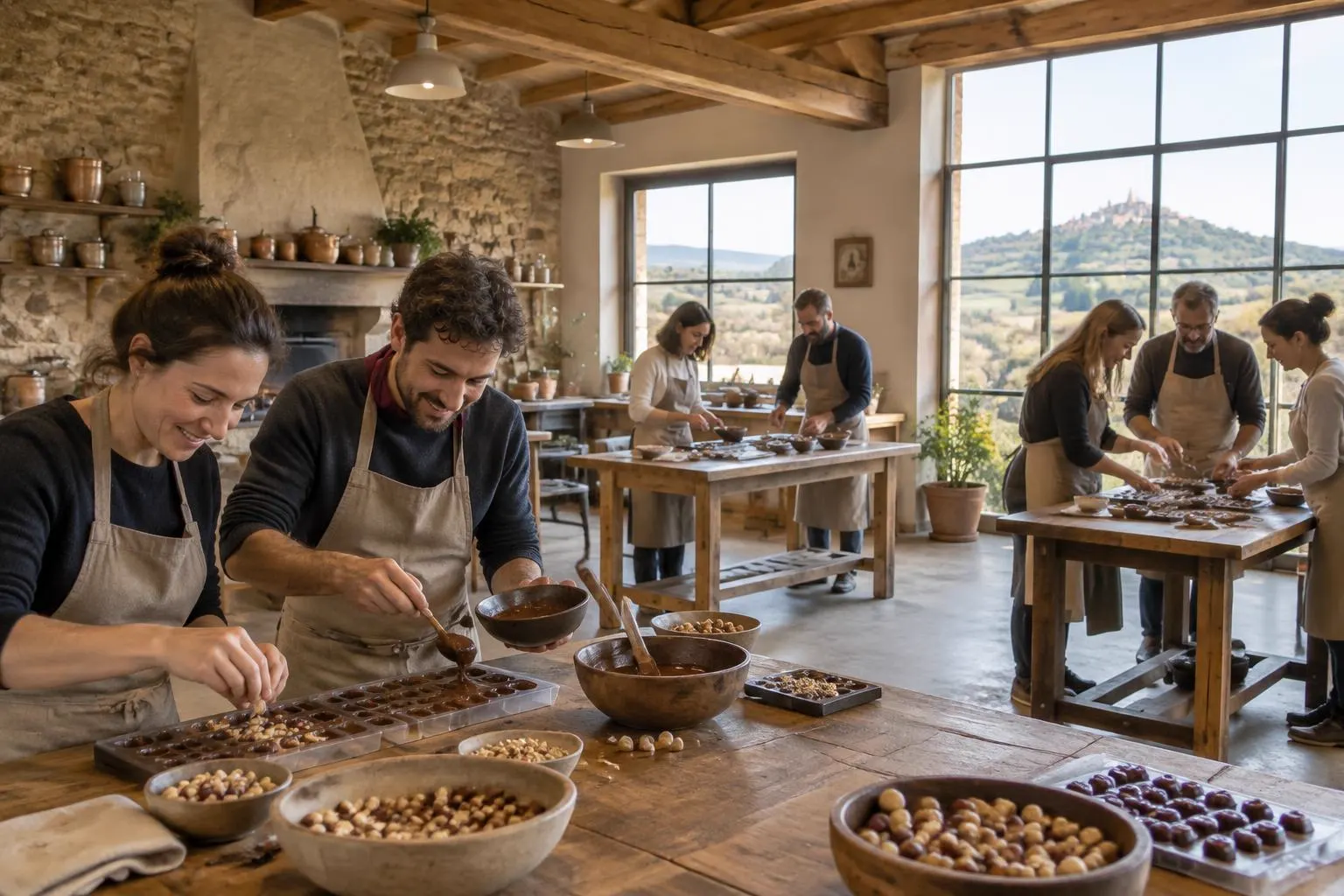
The experiences included Barolo tastings, a hazelnut and chocolate workshop, a cacao ceremony, Tibetan singing bowls and meditation in the hills.
The programme brought together regional food and wine with quieter activities, giving the group different ways to spend time together during the stay.
Rome: culture, creativity and shared evenings
For a group of 45 guests travelling from the United States, I organised a four-day programme in Rome, with hotel accommodation and a coworking space.
Alongside the working sessions, the programme included a guided Colosseum visit, an escape room, a street-food tour, a painting class with wine, dinner at a Michelin-starred restaurant and an aperitif cruise on the Tiber.
In a city programme, timing and distances deserve particular attention. The experience needs to fit comfortably around meetings, meals and the journey back to the hotel.
Sicily: Etna, local flavours and time on the water
For 25 guests visiting from the United States, I organised a three-day programme in Sicily.
Activities included trekking on Etna, an Etna wine tasting, a boat trip, a Sicilian cannoli class and a workshop focused on Modica chocolate.
Modica chocolate has a distinctive granular texture associated with its low-temperature production process. A workshop offers a way to explore that local tradition through participation.
When combining experiences in different parts of Sicily, the location of the accommodation and the travel time between activities are essential to the planning.
Lake Como: an incentive programme with time to work
For a Canadian group of 14 guests, I organised a three-day incentive programme around Lake Como.
The programme combined boat trips, visits to lakeside villages, wine and cheese tastings and a visit to Varese, alongside coworking facilities and meeting rooms.
An incentive trip can still include time for work. The programme needs to give both parts enough space.
More unusual experiences are possible, too
Some groups have already done cooking classes and wine tastings. They want something more unexpected.
Through my network of local hosts, artists, guides and practitioners, I can explore a wide range of requests: sculpture workshops, botanical experiences, creative sessions and evenings built around a particular interest.
For a group open to something unconventional, that might mean a cacao ceremony in nature followed by a tarot reading with a practitioner who brings a little theatrical magic to the evening.
Experiences involving spiritual or symbolic practices should be discussed with the organiser beforehand and offered as an optional part of the programme. The aim is for guests to feel comfortable and curious.
An unusual idea works when it suits the people attending. Understanding the group comes first.
Group size changes the experience
An activity that works beautifully for 12 people may need a different format for 50.
For street-food tours involving more than 50 guests, I recommend dividing the group into smaller groups. Otherwise, queues become longer, people struggle to hear the guide and the experience can feel scattered.
For cooking classes, I generally recommend smaller groups once attendance exceeds around 20 people. This is my planning preference rather than a fixed venue limit: I want guests to have space to prepare, ask questions and participate.
Depending on the venue and programme, we can arrange parallel sessions or offer different activities before bringing everyone back together for a meal.
Keeping the whole team together is valuable at selected moments. It does not mean everyone needs to do the same thing throughout the retreat.
Offer choices, with shared moments for everyone
I usually propose alternatives while keeping some experiences that bring the entire group together.
One person may welcome a guided trek. Another may prefer a creative workshop or a quieter morning. Some guests enjoy wine tastings; others would rather focus on food, art or the landscape.
Before confirming the programme, I consider mobility, dietary requirements, language, comfort with the activity and individual preferences.
The alternatives should feel equally considered. Guests should be able to choose an experience they will enjoy and rejoin their colleagues afterwards.
How many activities should a corporate retreat include?
My recommendation is to plan no more than one main organised activity per day, alongside meals and working sessions.
For a four-day retreat, the programme might include two half-day experiences and one full day out, with the remaining time available for meetings, arrivals, departures and rest. When work takes priority, shorter morning or evening sessions can replace the half-day activities.
A full-day excursion should be given the day it needs. There is little value in returning everyone to the hotel tired and immediately sending them out for another scheduled experience.
Allow time to change, answer messages, use the hotel facilities or simply sit with colleagues. Those unscheduled conversations are part of the stay, too.
How much do team-building activities in Italy cost?
As an indicative planning reference, I often work with a budget of around €120 per person for a full day of activities, including the agreed transport, activity or activities, guide and food.
The final cost depends on the region, group size, experience and accommodation choice, particularly where the property is located and how much travel is involved.
This is a reference for an activity day within a retreat programme. Accommodation and the wider retreat arrangements are budgeted separately. Private boat charters, specialist hosts, premium dining and more elaborate requests may require a higher budget.
Each proposal sets out the programme, inclusions and applicable costs so you can assess the complete day.
For the wider planning budget, read How Much Does a Corporate Retreat in Italy Cost?.
One point of contact for the programme
An activity is one part of a larger event. Its timing needs to work with meetings, transfers, meals and the rest of the group’s plans.
With The Italian Chapter, I remain your main point of contact throughout the planning and the event. I coordinate the selected providers, communicate the group’s requirements and make sure each experience fits into the overall schedule.
That includes checking practical details, arranging transport, organising smaller groups where appropriate and planning alternatives for weather-dependent activities.
If something changes, you have one person to contact who understands the programme. I remain available in real time during the event and can also be present on site when requested, with on-site attendance quoted separately.
The intention is to give the person organising the retreat the opportunity to take part and spend time with their colleagues.
Choose experiences your team has time to enjoy
Italy offers plenty of possibilities for company retreats, leadership gatherings and incentive trips. The most useful starting point is a clear understanding of your people and the kind of event you want to create.
Choose a manageable programme, give each experience enough time and leave space between commitments.
A well-planned retreat should feel enjoyable to attend.
Planning a corporate retreat in Italy? Share your preferred dates, guest numbers, destination ideas and the balance you would like between work and activities. I will help you develop a programme around your group.
Planning a gathering in Italy?
Tell Alessia who you are bringing together and what you would like the time to feel like.
Start your enquiry