
Magazine · Corporate retreats · Tuscany
Corporate Retreat in Tuscany: Planning a Leadership Offsite
How to plan a considered stay in the Tuscan countryside, with private rooms, productive mornings and time to enjoy the region.
By Alessia Piperno
A corporate retreat in Tuscany works best when the setting and the schedule support each other. The team needs space to work, comfortable accommodation and time to enjoy being somewhere different.
For a leadership offsite, I would build the programme around focused mornings, unhurried meals and a small number of carefully chosen experiences. A private tasting or an afternoon outdoors can sit comfortably alongside meeting sessions, without turning the stay into a packed sightseeing itinerary.
The decisions that matter most happen early: when to travel, how many nights to allow, how many individual bedrooms are needed and where to base the group.
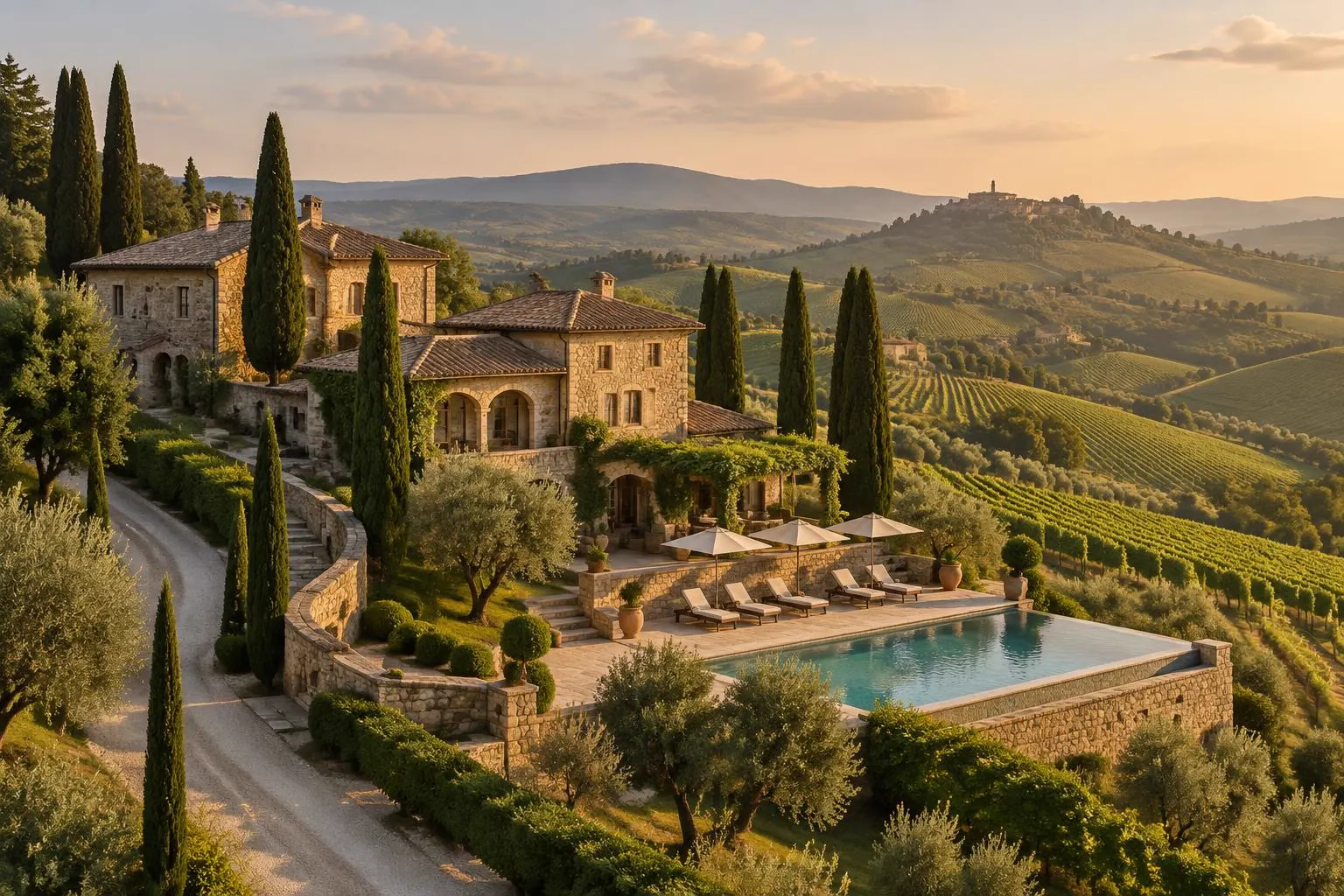
Choose the season before the property
For a countryside retreat in the Chianti area, my preferred planning window is April to October.
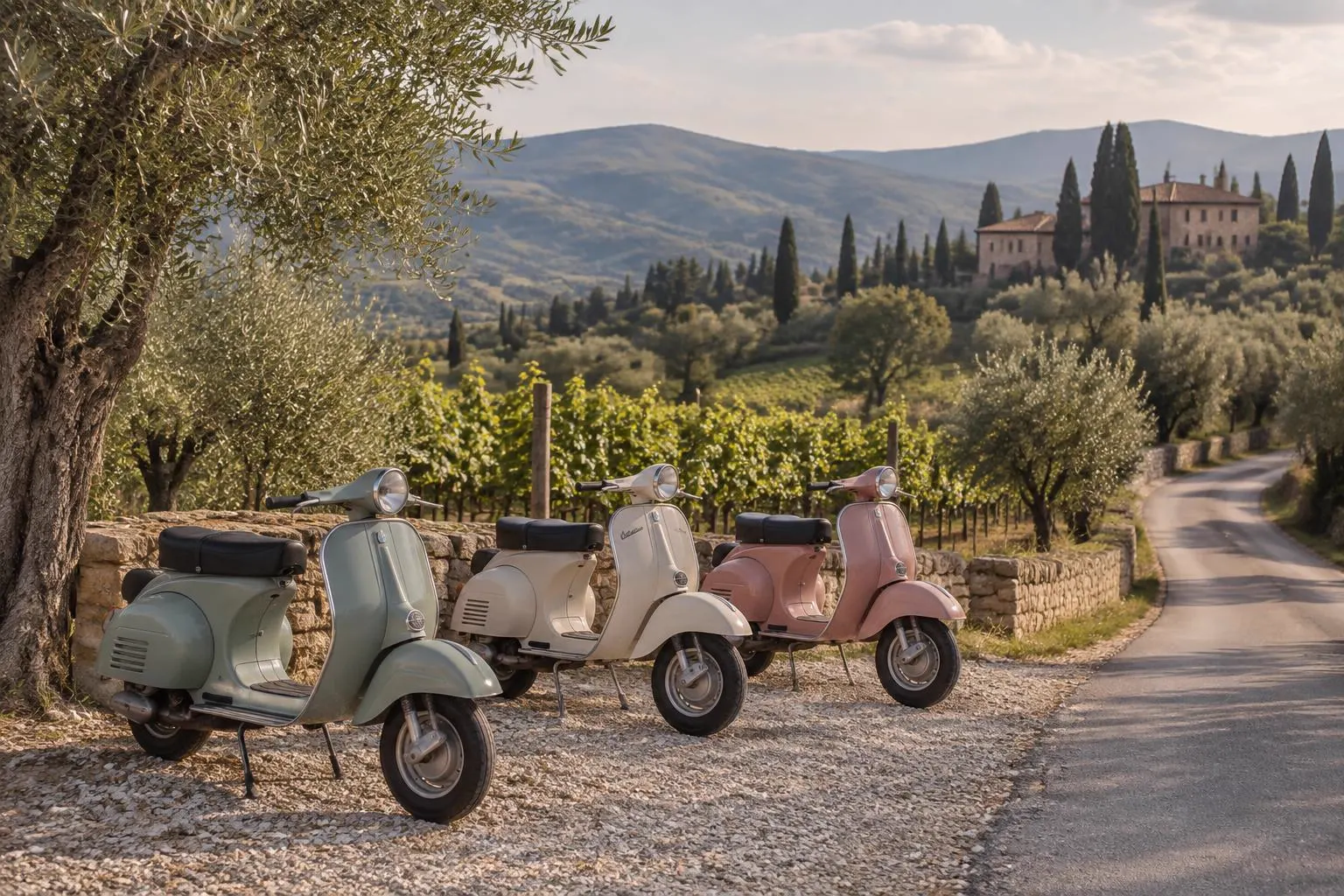
Within that period, I would choose the dates around the experiences the team wants, the accommodation available and the balance between indoor and outdoor time. Lunch outside, a vintage Vespa excursion and an afternoon on horseback each need suitable conditions and a realistic alternative if the weather changes.
Winter is the timing decision I would question most carefully.
In my experience, many countryside activities and seasonal providers have reduced availability or close during the winter months. A beautiful property may still be available, but the surrounding programme can become much more limited.
If a client imagines outdoor lunches, estate visits and varied afternoons exploring the countryside, I would steer the conversation towards a different season. The experience they want should guide the dates.
How many nights should a Tuscany retreat last?
For an international team, I generally recommend three to five nights.
The right length depends on where people are travelling from, how much work needs to happen and how much of Tuscany they want to experience.
| Length of stay | How I would approach the programme |
|---|---|
| Three nights | Keep the agenda focused, with a manageable amount of meeting time and one or two shared experiences close to the property |
| Four nights | Allow more space between work sessions, activities and unstructured time |
| Five nights | Give the team a gentler arrival and room for a fuller outing without compressing the working days |
- Length of stay
- Three nights
- How I would approach the programme
- Keep the agenda focused, with a manageable amount of meeting time and one or two shared experiences close to the property
- Length of stay
- Four nights
- How I would approach the programme
- Allow more space between work sessions, activities and unstructured time
- Length of stay
- Five nights
- How I would approach the programme
- Give the team a gentler arrival and room for a fuller outing without compressing the working days
For colleagues arriving after a long international journey, I would keep the first day light. Check-in, time to settle and a welcome dinner are usually a better introduction than an important meeting immediately after arrival.
I would also account for departure times before allocating work to the final morning.
What a group of 57 taught me about accommodation
For a four-day corporate retreat in Chianti, I organised accommodation for 57 people who each required a private room.
That requirement shaped the venue search immediately. We chose a hotel because the group needed 57 individual bedrooms.
It is a practical detail that can easily get lost when the initial conversation centres on villas, views and atmosphere. A property’s total guest capacity does not tell you whether it can accommodate a corporate team in the way they expect.
The same principle applies to a smaller leadership group. Before shortlisting properties, I establish the bedroom requirements, the working arrangements and the level of service the client expects.
A hotel can still provide a distinctive Tuscan setting while supporting the room numbers and operational needs of a larger team. For a smaller group, a private villa or estate may also be suitable.
My guide to small corporate retreats in Italy explores those accommodation decisions in more detail.
A daily rhythm that leaves room to think
My preferred structure is straightforward: meetings in the morning, lunch, then free time or a shared activity before dinner.
The exact timings depend on the team, but the day should have a clear rhythm.
| Part of the day | Suggested programme | Planning priority |
|---|---|---|
| Morning | Breakfast followed by a focused meeting session | A private, comfortable room with the required equipment ready |
| Lunch | A relaxed meal outdoors when conditions allow | Enough time to eat and talk without rushing into the next commitment |
| Afternoon | Free time or one planned experience | A realistic duration, including any transfers |
| Evening | Dinner together | A setting that suits the mood of the day and allows conversation |
- Part of the day
- Morning
- Suggested programme
- Breakfast followed by a focused meeting session
- Planning priority
- A private, comfortable room with the required equipment ready
- Part of the day
- Lunch
- Suggested programme
- A relaxed meal outdoors when conditions allow
- Planning priority
- Enough time to eat and talk without rushing into the next commitment
- Part of the day
- Afternoon
- Suggested programme
- Free time or one planned experience
- Planning priority
- A realistic duration, including any transfers
- Part of the day
- Evening
- Suggested programme
- Dinner together
- Planning priority
- A setting that suits the mood of the day and allows conversation
I would not automatically fill every afternoon. If the morning includes demanding discussions, time at the property may be more valuable than another departure.
For a leadership offsite, the programme should also allow colleagues to continue a useful conversation without immediately having to leave for an activity.
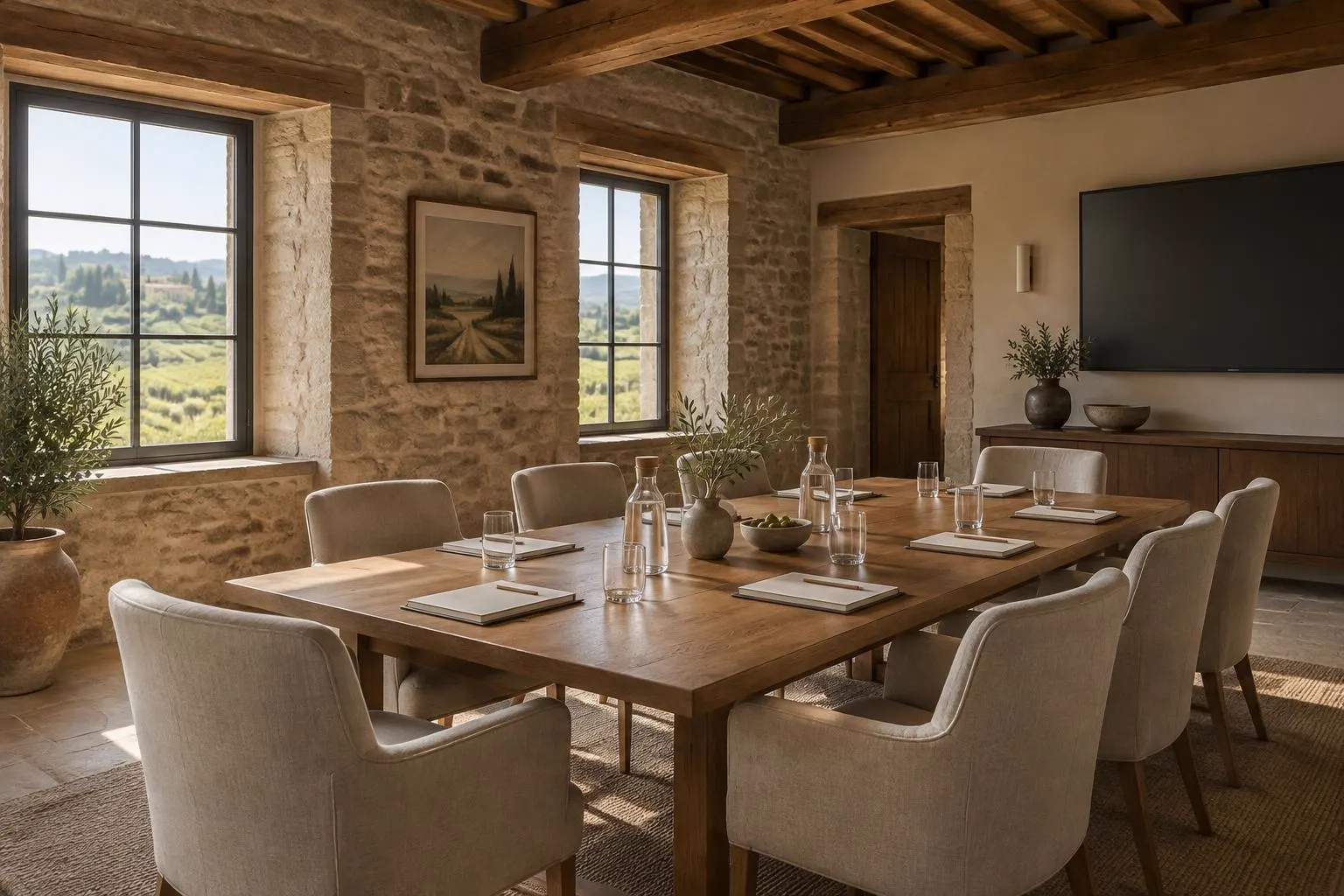
Why I like Chianti as a base
Chianti is one of the areas I like to consider for a corporate retreat in Tuscany, particularly when food, wine and countryside experiences are central to the brief.
I would choose the specific property alongside the proposed itinerary. “Chianti” covers an area, not a single convenient departure point for every Tuscan destination.
Possible outings might include Siena, San Gimignano, the Val d’Elsa or Lucca. I would select among them after checking the journey from the actual hotel and how much time the team wants to spend away.
Lucca, for example, needs to be considered as a deliberate outing rather than casually added to an already busy afternoon. The same care applies to any excursion: the value of the visit needs to justify the time involved.
A retreat does not need to cover all of Tuscany. A well-chosen base and a few relevant experiences can create a much more enjoyable stay.
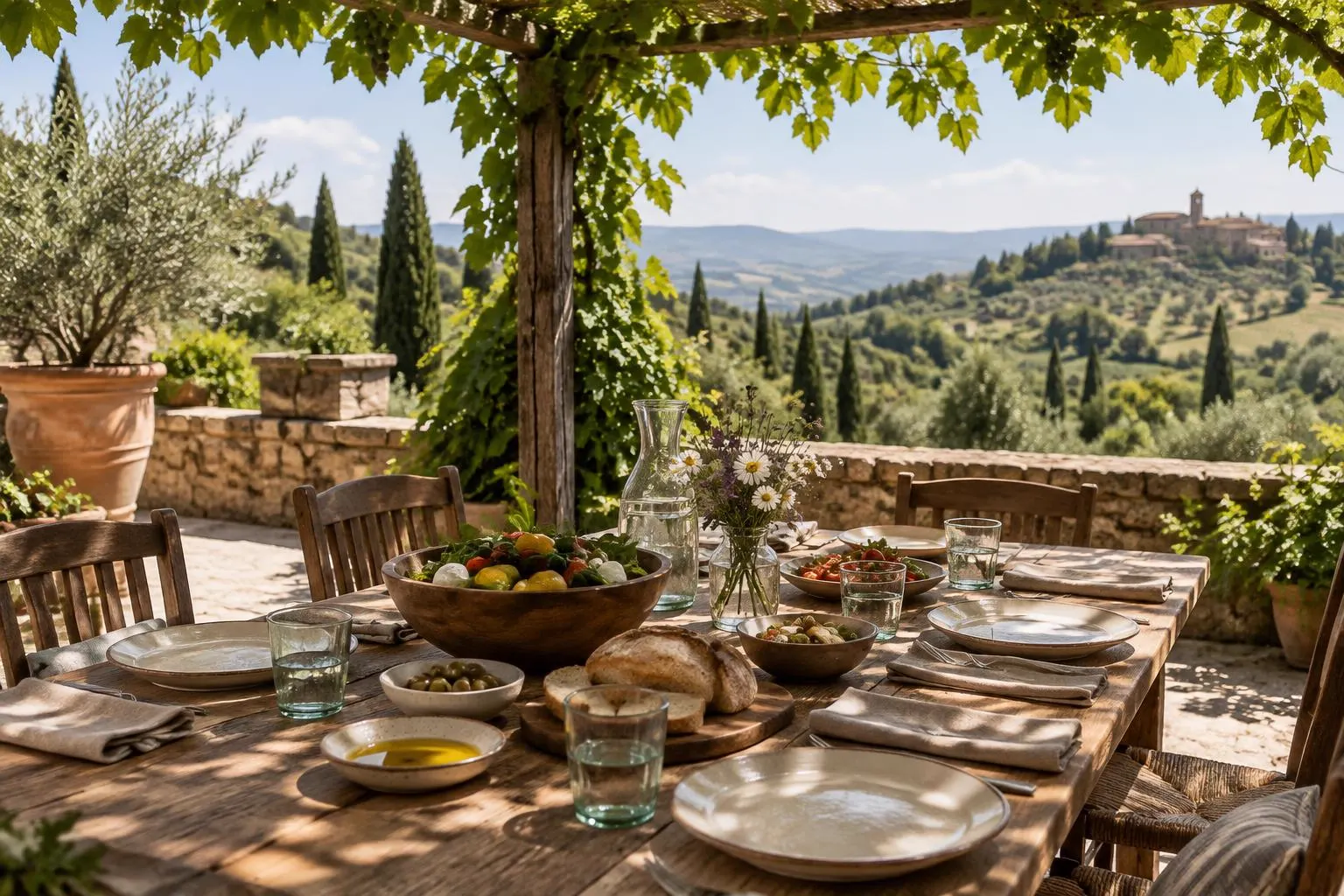
Experiences I would consider for a leadership retreat
I choose activities after understanding the purpose and pace of the event. Some teams want an active afternoon; others would enjoy a private tasting and a long conversation over dinner.
These are among the experiences I would consider in Tuscany.
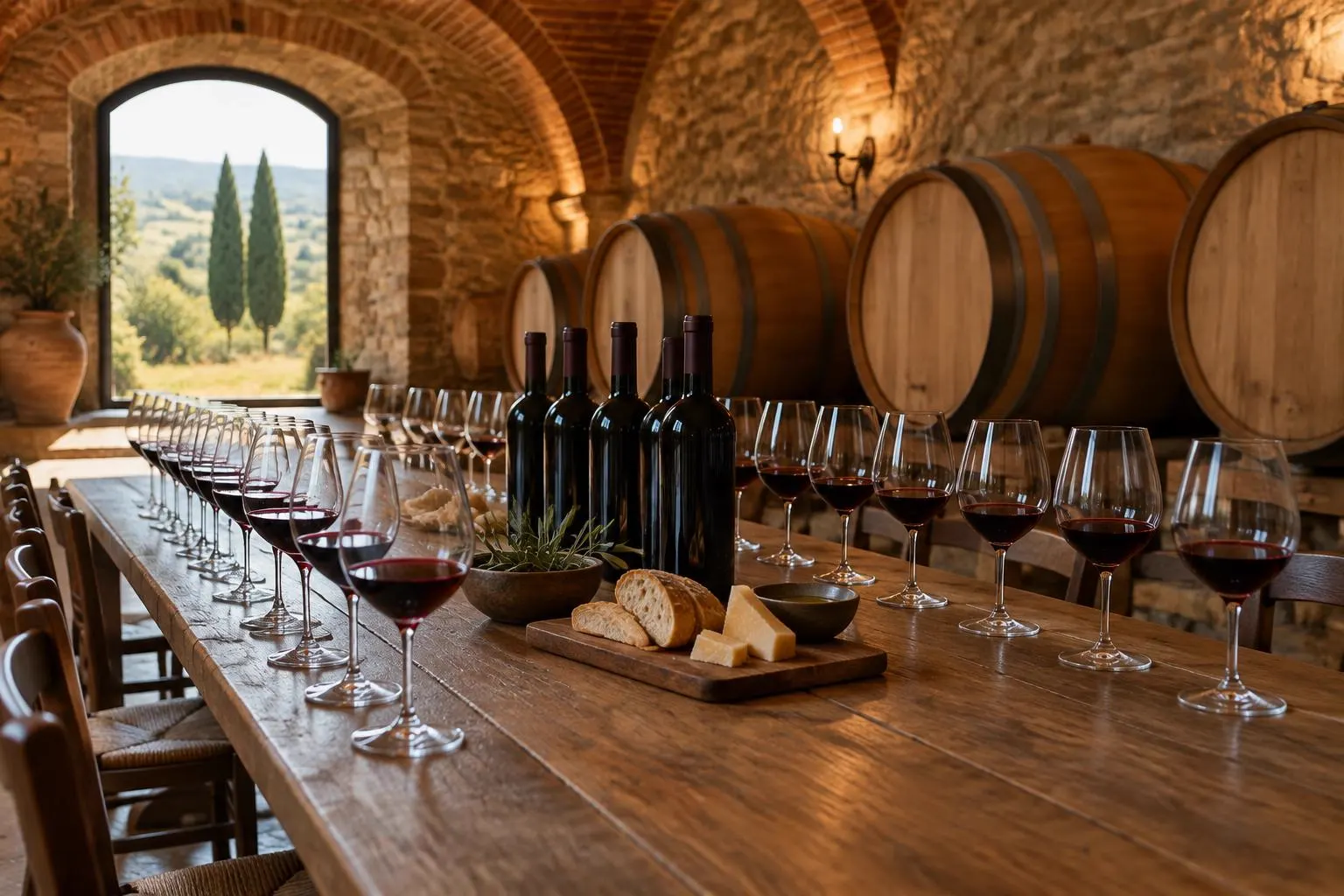
Private wine tastings
A private tasting can provide an enjoyable shared afternoon with time to learn about the estate and its wines.
I would choose the format around the group’s interest. A team with a strong interest in wine may appreciate a more detailed visit, while another group may prefer a shorter tasting followed by a meal.
Transport should be arranged as part of the experience so guests can enjoy the tasting without needing to drive.
Vintage Vespa experiences
A vintage Vespa outing can be a memorable way to spend time in the countryside for guests who are comfortable with the format and meet the operator’s requirements.
I would check suitability before including it in the programme and arrange an alternative for anyone who prefers not to ride.
This is an activity that deserves enough time of its own, with a considered route and no pressure to hurry back for another appointment.
Horseback riding
For a group interested in spending time outdoors, horseback riding can be an appealing option.
The experience needs to suit the participants’ confidence and riding ability. I would confirm those details with the provider and offer a suitable alternative where needed.
Truffle hunting
A guided truffle experience can introduce the team to a different aspect of the countryside.
The proposed format needs to reflect the season, local conditions and the provider’s availability. I would consider how it fits with a tasting or meal, rather than adding it as an isolated stop between other activities.
Olive oil classes and tastings
An olive oil class and tasting can work well for a team interested in local food and production.
It gives the afternoon a clear focus while leaving room for conversation. I would choose the visit according to the group’s level of interest and the wider programme.
You can find further ideas in my guide to team-building activities in Italy.
What makes the retreat feel well organised?
Clients looking for a high-level retreat expect the practical details to be handled with the same care as the more visible experiences.
That includes a meeting room arranged correctly before the session begins, clear transfer instructions, comfortable bedrooms and meals that take individual requirements into account.
Privacy also needs to be considered in advance. I would check where meetings take place, whether other guests can access adjoining spaces and which areas are available for the group’s meals and informal conversations.
The quality of a retreat is felt throughout the day: how smoothly the team arrives, how easily the programme flows and whether guests have what they need without repeatedly having to ask.
Avoid planning the summer itinerary for a winter stay
The most important mistake I would flag for a Chianti retreat is choosing winter while expecting the same programme I would propose in the warmer months.
The property is only one part of the booking. Activities, restaurants, estate visits and outdoor arrangements all need to work for the dates selected.
I would establish what is realistically available before the accommodation is confirmed. Otherwise, the team risks committing to a location that cannot support the experience they had in mind.
For the countryside programme described here, April to October is the period I would prioritise, with the specific dates chosen around the brief.
Set the budget around the complete stay
A useful budget needs to reflect the accommodation, meals, working spaces, transfers and planned experiences.
I would also clarify which arrangements are private to the group and which services are included in the property’s proposal. That makes it easier to compare options and understand where an additional expense improves the experience.
My guide to corporate retreat costs in Italy explains the main budget considerations.
Planning your corporate retreat in Tuscany
I begin with your preferred dates, number of guests, budget and the purpose of the gathering. We then establish the right length of stay, bedroom requirements and balance between work and shared experiences.
I coordinate the accommodation, suppliers, transfers and programme, giving you one point of contact throughout the planning process. I remain available remotely during the event, and on-site attendance can be arranged for a separate fee.
If you are planning a leadership offsite or corporate retreat in Tuscany, complete the enquiry form or email retreats@theitalianchapter.com with your dates, group size and an outline of the stay you would like to create.
Planning a gathering in Italy?
Tell Alessia who you are bringing together and what you would like the time to feel like.
Start your enquiry