
Magazine · Corporate retreats · Italy
How to Plan a Corporate Retreat in Italy
There is no shortage of beautiful places to host a corporate retreat in Italy. Finding a hotel in Tuscany, a masseria in Puglia or a rooftop in Rome is the easy part. The more difficult part is knowing whether that place will still feel like a good choice once forty people, a meeting schedule, three coaches, dietary requirements and a change of weather are added to the picture.
That is where planning a retreat becomes less about finding beautiful places and more about knowing how Italy works.
For companies bringing teams from different countries, there is another consideration too. People have travelled to be here. If the entire programme could have taken place in a conference hotel anywhere in Europe, there is little point in bringing everyone to Italy.
The best retreats make room for both: the reason everyone has come together for work, and the reason Italy was chosen in the first place.
Give yourself six to nine months
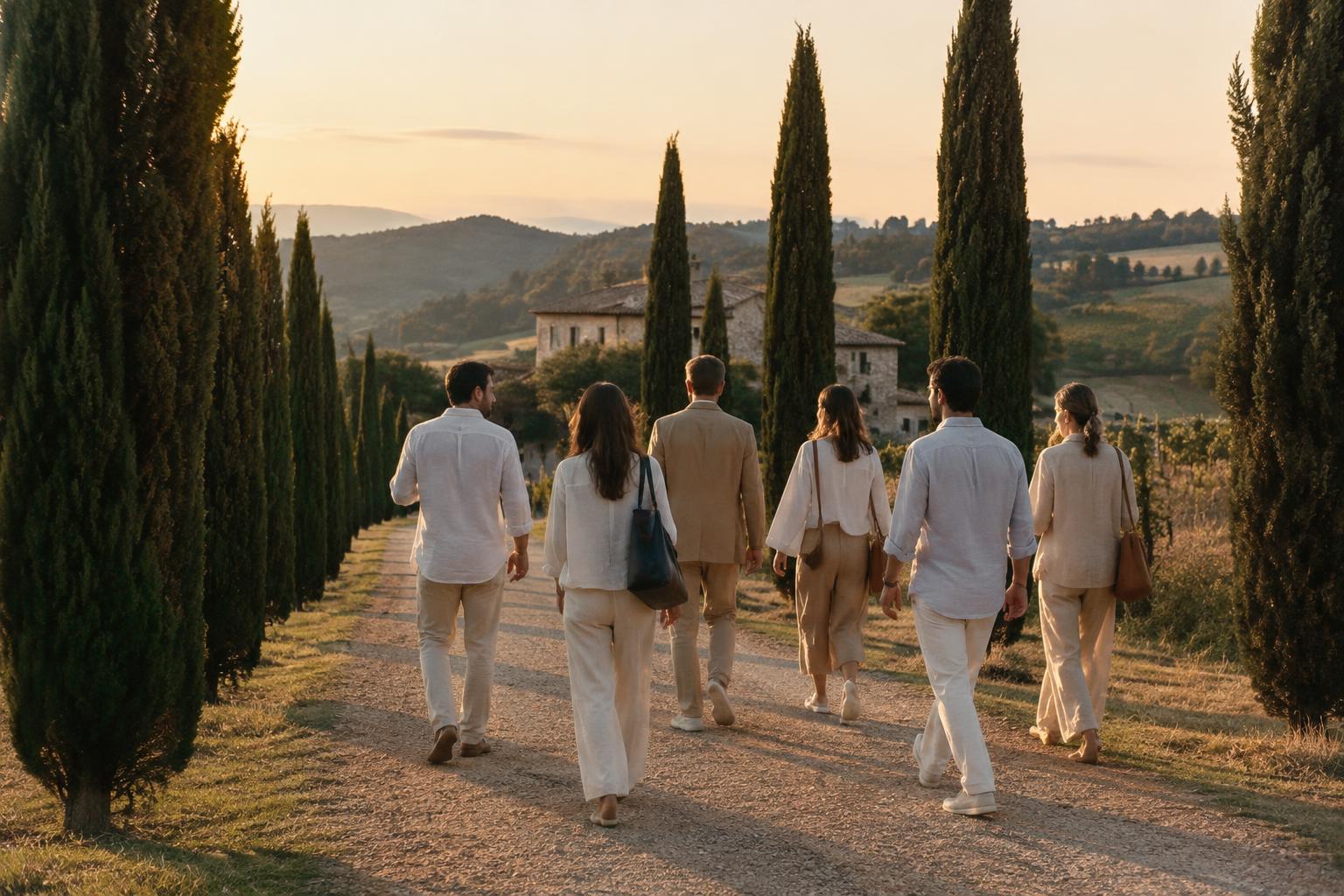
For most corporate retreats in Italy, planning six to nine months ahead gives you a much better choice of properties, particularly if everyone needs their own room.
This matters more than it might seem. Italy has countless beautiful hotels and private estates, but relatively few properties that tick every box for a corporate group: enough bedrooms of a similar standard, suitable spaces for working, good common areas, reliable access for transfers and a location that does not make every activity an expedition.
The calendar makes a difference as well. A retreat in Tuscany in June and one in November are two very different searches. The same is true of Puglia in July or Rome during a particularly busy week.
Before confirming accommodation, it is worth looking beyond the property itself. Where will everyone be coming from? How long is the airport transfer? Where are the dinners? What can the group realistically do nearby?
A hotel can be perfect on paper and still put the entire programme in the wrong place.
Google Maps doesn’t tell the whole story
This is probably one of the easiest mistakes to make when planning an event in Italy from abroad.
Distances here can be deceptive.
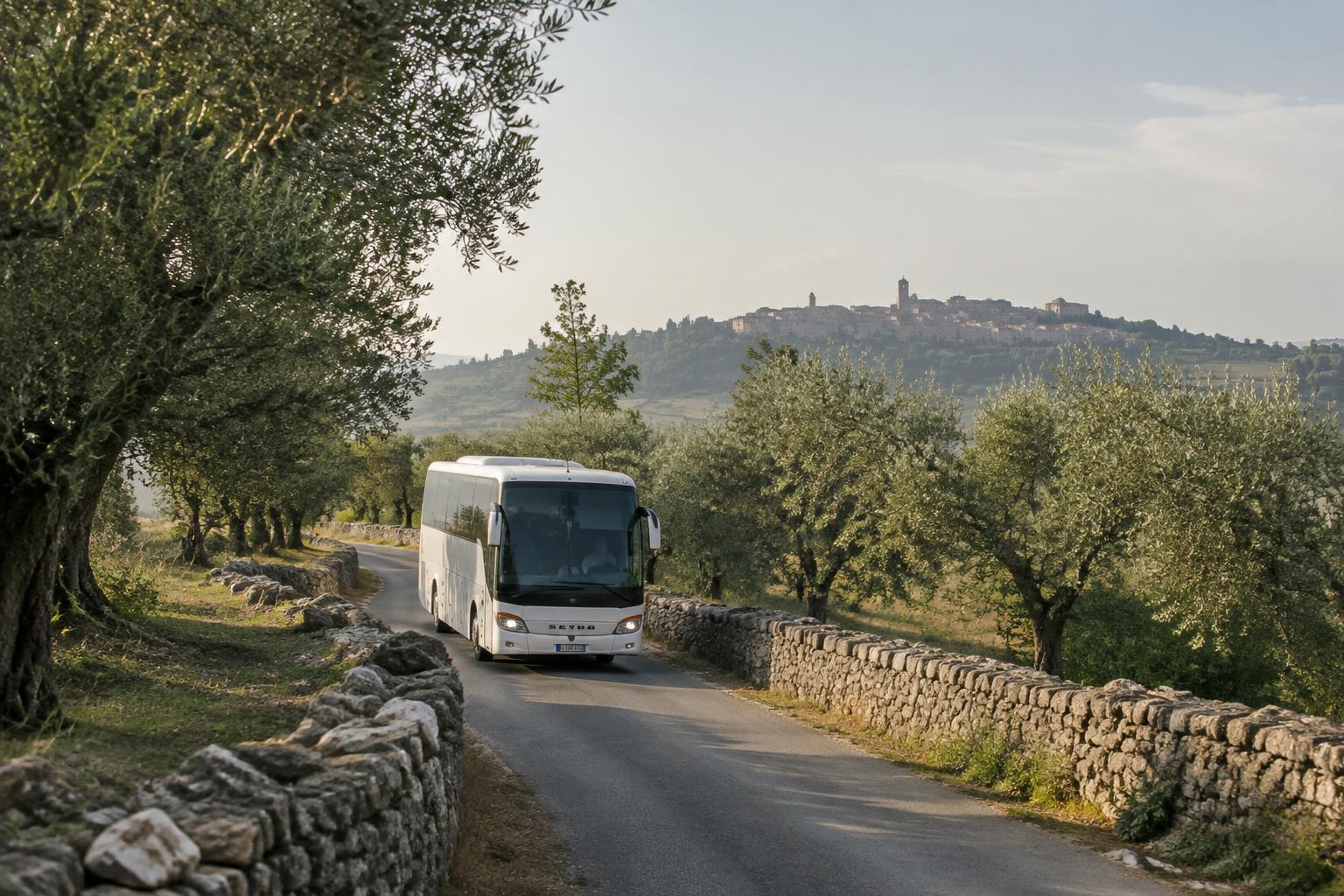
Thirty kilometres through the Tuscan countryside are not the same as thirty kilometres on a motorway. A road that looks perfectly normal on a map may be difficult for a full-size coach. A restaurant may be wonderful for dinner but impractical for a large group arriving together. And a villa described as being “near Florence” can mean something quite different once you are actually driving there.
Then there are the places themselves.
Some of the best experiences in Italy are still found through people rather than searches: the winery that knows how to welcome a private group without turning the visit into a production line; the restaurant that can handle 50 guests while still making dinner feel intimate; the skipper who knows where to take a group depending on the sea that morning.
This is where local knowledge becomes particularly valuable. Not simply knowing what exists, but knowing what has been tried, which journeys have been driven, how suppliers actually work and what an experience feels like once you are there.
Hotel, resort or private villa?
A villa in the Italian countryside is an appealing idea for a company retreat, and for the right group it can be exceptional. In practice, the first question is usually bedrooms.
Many private villas have fewer than twenty rooms. That makes them particularly well suited to weddings, birthdays, family gatherings and smaller private events, but more difficult for a company that needs 30, 40 or 60 individual rooms.
Hotels and resorts often make more sense for corporate groups because much of the infrastructure is already there. Bedrooms, breakfast, housekeeping, meeting rooms, coffee breaks and technical equipment can all be managed under one roof.
There is no rule that says corporate retreats belong in hotels, however. A smaller team can work beautifully in a private estate, particularly when privacy is important. Equally, a large hotel does not need to produce a conventional conference experience.
The property should follow the group, rather than the other way around.
Ten people can work. So can two hundred.
There is no ideal number for a retreat.
Ten people around one table creates one kind of experience. Two hundred people spread across a property creates another. Both can work extremely well if the programme has been designed for the number of people attending.
What changes with scale is everything happening in the background.
Transport becomes more structured. Restaurants need different solutions. Activities may need to run simultaneously in smaller groups. Arrival times matter more. Even something as simple as moving everyone from breakfast into a morning session needs to be considered.
The atmosphere the company wants to create is just as important as the headcount. A leadership retreat for twelve people requires intimacy. A company gathering for 150 may be about bringing colleagues together who normally work in different countries and rarely meet in person.
Those are different briefs and should result in different events.
Four or five days gives the retreat room to breathe
When people are flying in from different countries, two nights disappear very quickly.
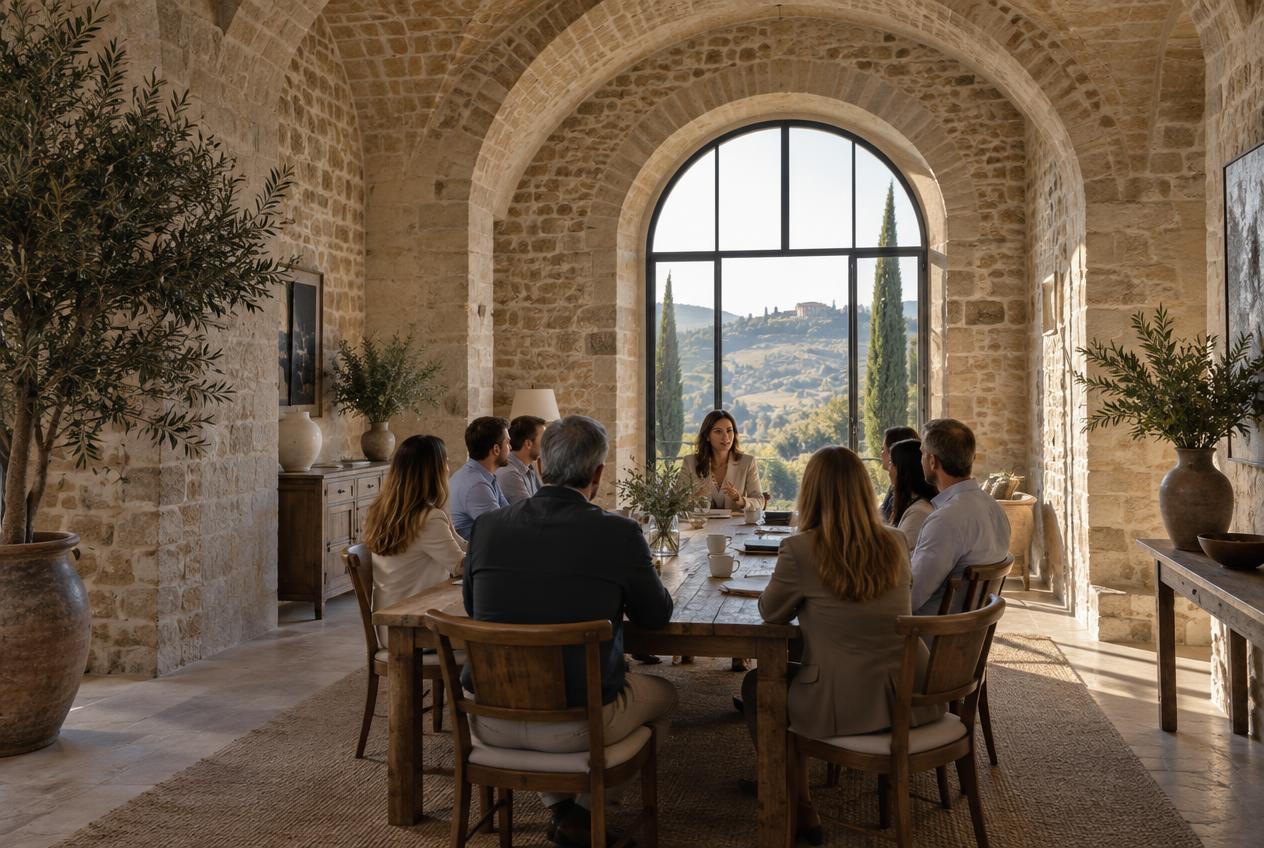
Four or five days allows for a much better rhythm: time to work, time to experience the destination and, importantly, time when nothing particularly elaborate needs to happen.
This last part is often underestimated.
Corporate calendars are already full. There is little value in flying a team to Italy only to replace a normal working day with eight hours in a different meeting room.
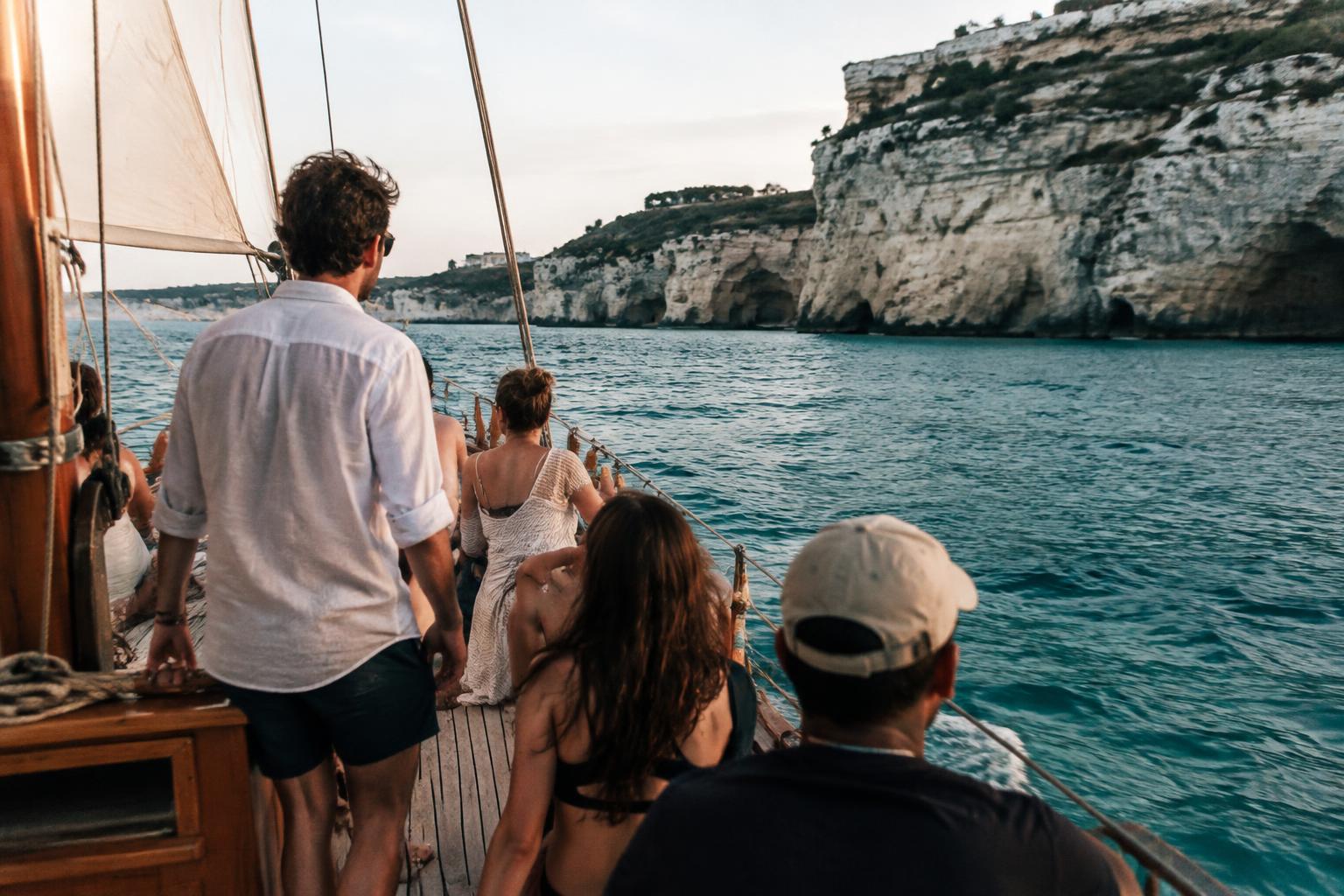
A morning session might be followed by a long lunch and an afternoon at a winery. Another day could begin in a coworking space and end on a sailing boat. Some sessions might need a fully equipped meeting room; others can happen around a table outside or beside a pool.
There still needs to be a reason for everyone to be together professionally. The difference is that work no longer needs to occupy every available hour.
Often, the conversations people remember happen somewhere between the scheduled parts of the programme.
Let Italy into the itinerary
There is a temptation when planning a retreat to keep adding activities. Cooking class. Wine tasting. Boat trip. Guided tour. Team building. Another dinner.
More does not necessarily make the programme better.
A few experiences chosen well will usually do more for a group than an itinerary that requires everyone to check the time constantly.
Wine estates work beautifully in regions where wine is part of the landscape and culture. Sailing changes the pace completely when the retreat is close to the coast. Food tours are particularly good in cities because people can discover a place while talking and moving rather than following a guide from monument to monument.
Entertainment can work well too, particularly when it is woven into an evening rather than announced as the next item on the schedule.
What matters is that the experience belongs where it has been placed. A retreat in Italy should feel different depending on whether it happens in Tuscany, Puglia or Rome.
Tuscany, Puglia or Rome?
These are three very different starting points.
Tuscany lends itself naturally to retreats that want space, countryside and experiences around food and wine. There are estates, wineries, country hotels and resorts, and much of the programme can happen away from cities. The landscape is part of the experience, which is precisely why location matters: transfer times between properties that look close on a map can be longer than expected.
Puglia has the masserie. For groups of the right size, these historic properties can give a retreat a very strong sense of place from the moment guests arrive. Then there is the food, the coastline, the towns and the possibility of spending part of the programme at sea. It works particularly well when the property itself is intended to be part of the experience rather than simply somewhere to sleep.
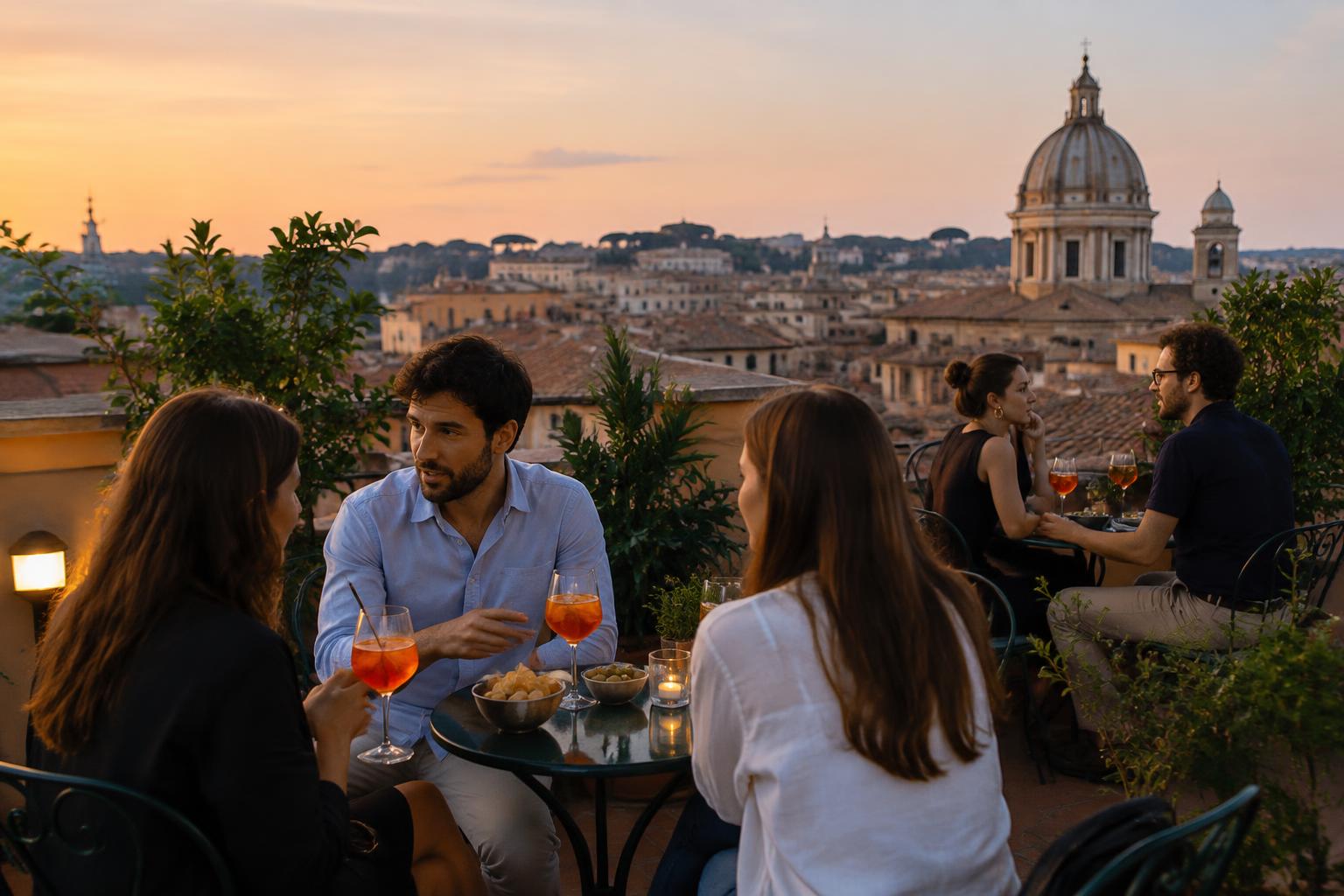
Rome offers something entirely different. It is easier for international arrivals, has a broad choice of hotels and professional meeting spaces, and allows work and leisure to sit very close together. A team can spend the morning in a coworking space, have lunch in the city and move into an aperitivo or private dinner without losing hours travelling between locations. Culture is already outside the door; it does not need to be manufactured as an activity.
There are, of course, many other possibilities across Italy. The right destination depends less on which region is considered the most beautiful and more on what the group needs to achieve while it is there.
What should a corporate retreat in Italy cost?
For a five-day corporate retreat at a good level, €2,500 per person is a realistic starting point. From there, the budget can rise considerably depending on the destination, season, accommodation and type of programme.
The room rate is only one part of it.
There are airport transfers and daily transport, meeting spaces, food and beverage, private dinners, activities, guides, boats, venue hire, entertainment and all the smaller operational costs that appear once a programme begins to take shape.
Where the money is spent matters more than making every element equally expensive. A company may decide that an exceptional private dinner is worth more than a luxury transfer, or choose a simpler hotel because the programme is built around experiences outside it.
A good budget should reflect what people are actually going to remember.
The work guests shouldn’t see
A corporate retreat can involve months of planning before anyone boards a flight.
Routes are checked. Menus change. Dietary requirements arrive. Guest numbers move. Suppliers need final timings. Weather changes plans. Someone lands later than expected. A coach cannot access the entrance everyone assumed it could.
Guests do not need to know most of this.
What they experience should feel simple: the driver is there, dinner is ready, the meeting room works, someone knows about their allergy, and the next part of the day begins when it is supposed to.
That ease is rarely accidental.
Italy provides the setting. The work behind a good retreat is making sure the group can actually enjoy it.
Planning a gathering in Italy?
Tell Alessia who you are bringing together and what you would like the time to feel like.
Start your enquiry