
Magazine · Destination weddings · Italy
How to Plan a Wedding Weekend in Italy
A practical guide to the celebrations, guest arrangements and days around your wedding.
By Alessia Piperno
When your friends and family travel to Italy for your wedding, the time you spend together begins well before the ceremony. There are arrivals to coordinate, a first evening to enjoy and guests who may want to discover the area while they are here.
A thoughtfully planned wedding weekend gives those moments their own space. You can welcome people properly, celebrate without rushing and spend time with guests you may rarely have the opportunity to see.
For couples bringing their guests to Italy, I recommend at least three nights, with four nights ideal when schedules allow. That gives everyone time to settle in and enjoy the occasion, with room for a welcome dinner, the wedding itself and a more relaxed gathering afterwards.
The programme should also leave guests free to enjoy their stay. Beyond the wedding, I like to keep the additional experiences optional, with clear information so everyone can choose how much to join.
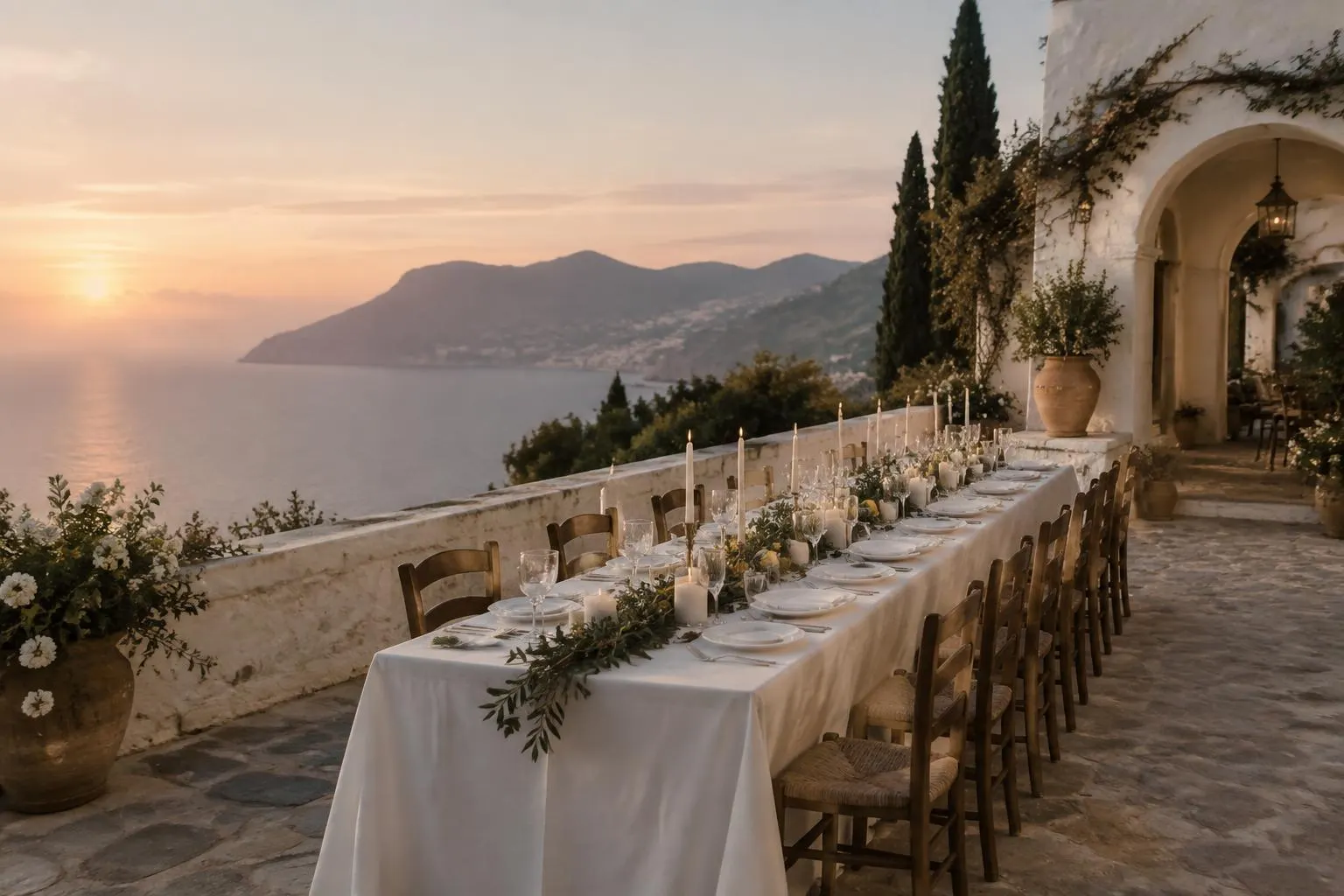
Start with the dates, guest count and budget
Before researching locations, I establish three things with the couple: their preferred period, approximate number of guests and overall budget.
These decisions shape the properties we consider, the accommodation arrangements and how much we can include around the wedding day. If the couple already has a venue in mind, we begin there and assess how the rest of the stay can work around it.
The budget needs to reflect the whole celebration. A welcome dinner, guest shuttles and a gathering the following day all need to be considered early, alongside the ceremony and reception.
It is much easier to make thoughtful choices when those elements are part of the initial brief.
Three nights or four?
Three nights can work well for an arrival day, a wedding day and a full day afterwards before guests leave the following morning.
Four nights give the programme more breathing room. Guests have an additional day to settle in, explore or simply enjoy the property before the wedding. This can be particularly welcome when people have travelled a long distance.
Here is an example of how a four-night stay could unfold. It is a starting point to adapt to the couple, the location and the guests’ travel plans.
| Day | Suggested programme | What to consider |
|---|---|---|
| Day 1 | Arrivals, check-in and a welcome dinner. | Allow time to settle in. Plan dinner around realistic arrival times. |
| Day 2 | An optional local experience, a relaxed lunch or time at the property. | Leave space for guests who would prefer to rest or explore independently. |
| Day 3 | The wedding ceremony and reception. | Coordinate guest transport, supplier timings and the day’s arrangements together. |
| Day 4 | A relaxed brunch, with an optional beach aperitif or another gathering suited to the location. | Keep the pace gentle and participation flexible. |
| Day 5 | Breakfast, check-out and departures. | Arrange transfers around the flights and onward journeys collected in advance. |
- Day
- Day 1
- Suggested programme
- Arrivals, check-in and a welcome dinner.
- What to consider
- Allow time to settle in. Plan dinner around realistic arrival times.
- Day
- Day 2
- Suggested programme
- An optional local experience, a relaxed lunch or time at the property.
- What to consider
- Leave space for guests who would prefer to rest or explore independently.
- Day
- Day 3
- Suggested programme
- The wedding ceremony and reception.
- What to consider
- Coordinate guest transport, supplier timings and the day’s arrangements together.
- Day
- Day 4
- Suggested programme
- A relaxed brunch, with an optional beach aperitif or another gathering suited to the location.
- What to consider
- Keep the pace gentle and participation flexible.
- Day
- Day 5
- Suggested programme
- Breakfast, check-out and departures.
- What to consider
- Arrange transfers around the flights and onward journeys collected in advance.
For a three-night stay, the separate pre-wedding leisure day can be removed. The welcome dinner, wedding and following-day gathering remain the main shared moments.
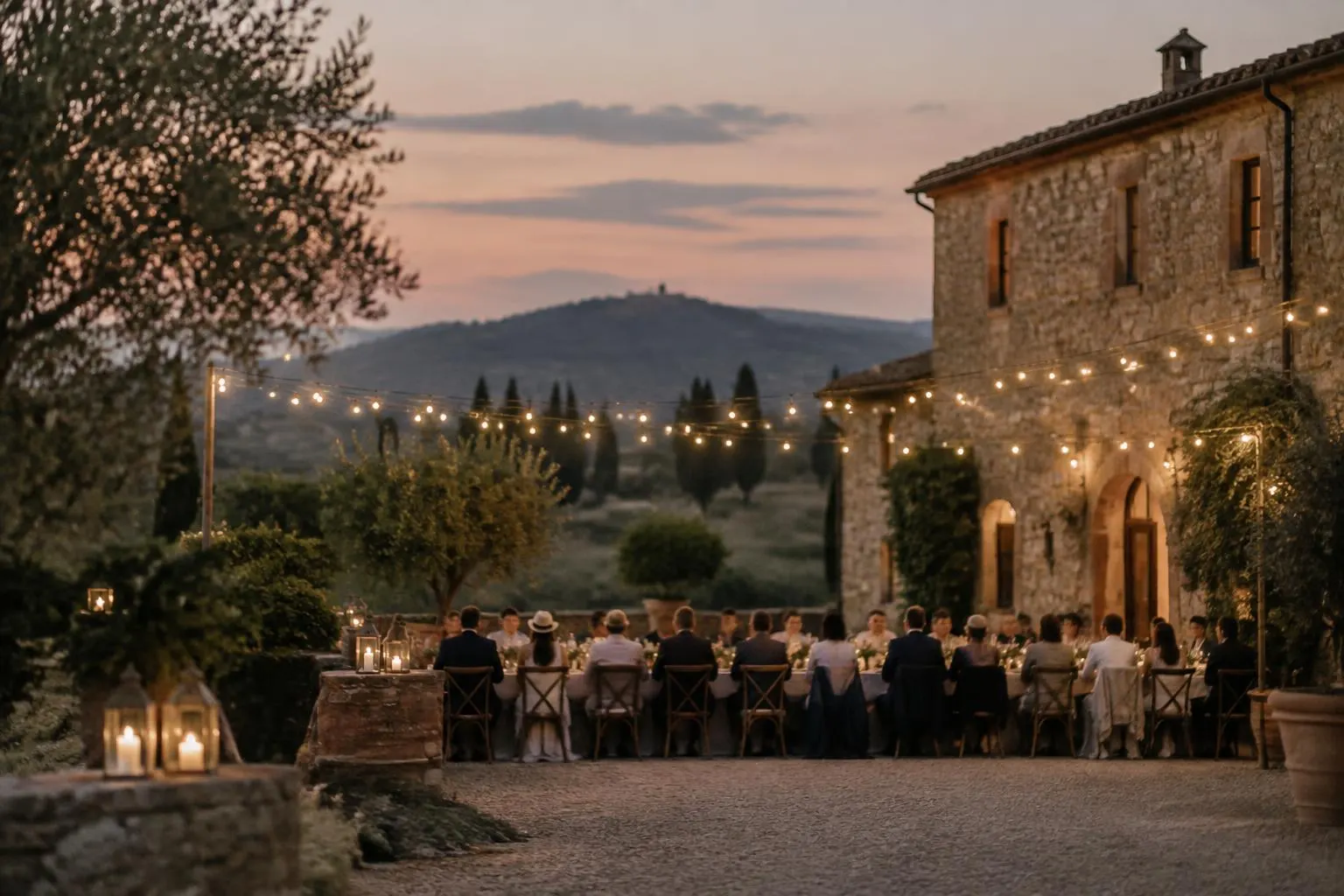
Give guests support without filling every hour
Some guests will want to join every outing. Others will prefer a quiet morning, time with their children or an afternoon exploring on their own.
I see guest planning as giving everyone access to a travel planner during their stay. They have someone who understands the area, the wedding schedule and their individual arrangements, and can help them make the most of their time in Italy.
Optional activities should be clearly identified when the programme is shared, including any costs and booking deadlines. Guests can then make their choices without feeling that every day has already been decided for them.
Where should everyone stay?
Whenever the guest count and available properties allow it, I prefer to keep everyone together. Staying in the same place makes it easier to spend time with one another between the planned celebrations.
For larger weddings, two accommodation options can work very well: one at a higher price point and another in a more moderate range. Both should be selected with care, with practical connections to the wedding venue and other gatherings.
The right arrangement depends on the number of guests, their needs and what the couple would like to offer. Accommodation decisions and transport planning belong together. A hotel is only a useful option if guests can comfortably reach the places where they need to be.

What to check before confirming the venue
A venue for a wedding weekend needs to work across several days and different kinds of gatherings. During the search, I check:
- Accommodation: the number of rooms and suitable alternatives nearby.
- Distances: travel times between guest hotels, the wedding venue and other events.
- A rain plan: appropriate spaces for the celebrations if outdoor arrangements cannot go ahead.
- Different settings: places that suit the welcome dinner, ceremony, reception and relaxed gatherings.
- Music arrangements: the venue’s agreed timings and restrictions.
- Accessibility: whether the spaces work for the guests who will attend.
- Non-resident guests: whether people staying elsewhere can attend the planned events and under what conditions.
These details help establish whether a property fits the whole weekend before the couple commits to it.
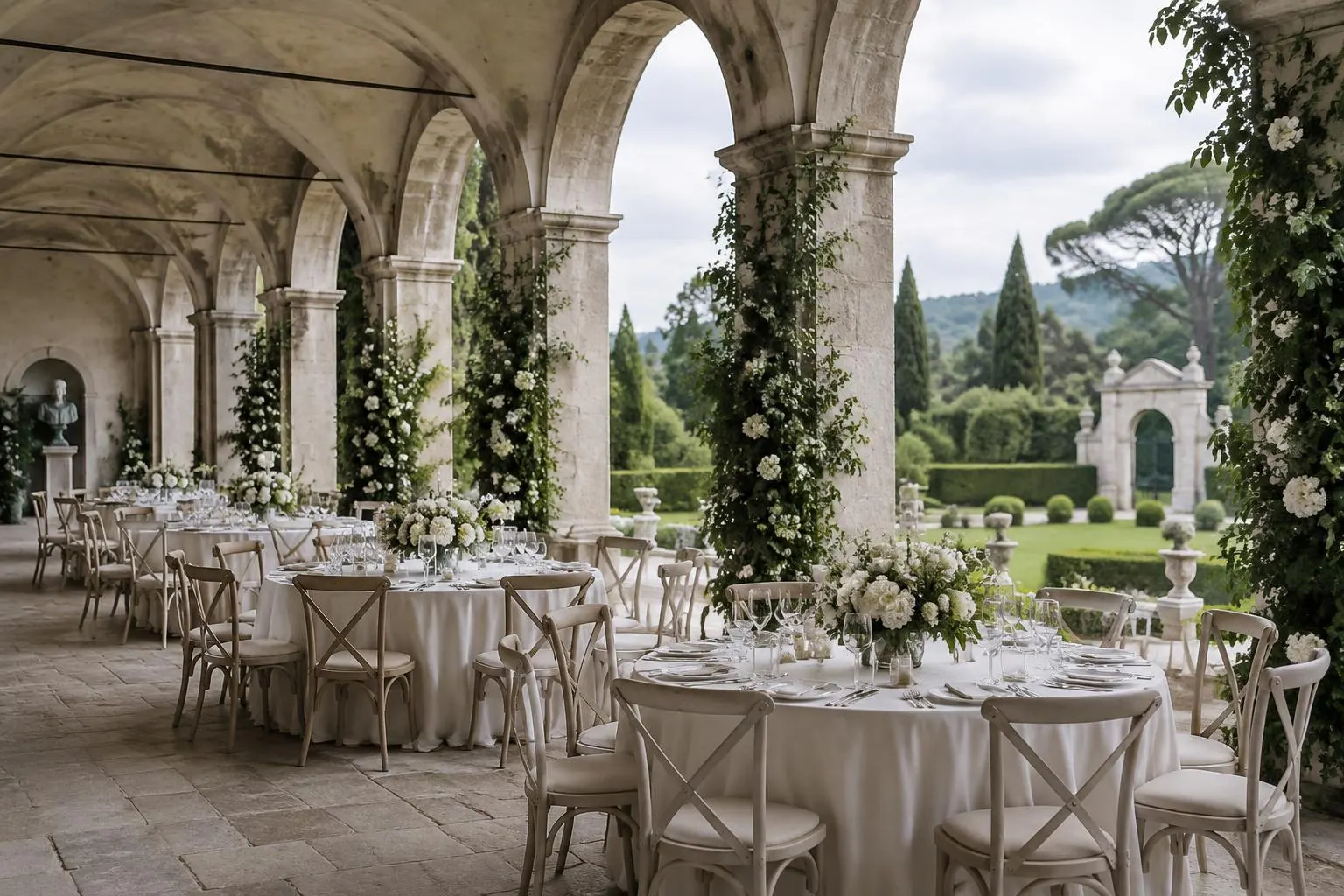
Planning your wedding in Italy from abroad
You do not need to be in Italy for every decision.
I share information, photographs and videos to help couples assess their options. When useful, I organise calls with the venue so we can discuss the spaces and practical arrangements together.
I can also arrange to visit a venue and take the couple through it by video call. This gives them the opportunity to ask questions while seeing how the spaces connect and how the celebrations could unfold.
The process begins with understanding the brief, then bringing suitable options to the couple with the information they need to make a decision.
What should the couple cover?
This is a personal decision, and it should be clear before guests make their arrangements.
My starting recommendation is for the couple to cover the welcome dinner, the wedding meal and the shuttles needed for the celebrations. Accommodation, flights, additional activities and any other hosted gatherings can then be discussed according to the budget and the couple’s preferences.
When considering a welcome dinner, brunch, wedding lunch or dinner, and transfers together, around €500 per person can serve as an initial planning reference. The menus, drinks, guest count, transport requirements and locations will shape the actual quotation.
This figure relates to those meals and transport arrangements. It is not a total wedding budget and should not be read as including accommodation, flights, venue hire or the other services needed for the wedding.
If guests will pay for any optional experiences themselves, make that clear when the activities are offered. They should be able to understand what is hosted and what they are choosing to book separately.
Share the practical information early
I aim to have the guest guide and the main practical arrangements available at least three months before the wedding. The date, destination and information needed to plan travel should be communicated earlier when possible, especially for guests making a long journey.
My guest coordination can include collecting flight details and arrival times, preparing individual programmes, sharing a guide and setting up a WhatsApp group for practical updates.
The information should make it easy to understand where to stay, how transport will work, which events are planned and when a response or booking is needed.
Deadlines matter. Room arrangements, transport and suppliers depend on accurate information, and late replies can limit the options available. I keep track of the details so they can be brought together into a workable plan.
Make space for different guest needs
Children’s menus and suitable entertainment can help younger guests enjoy the occasion and give parents more freedom to participate.
I also ask about dietary, mobility and other individual requirements early, so we can discuss the appropriate arrangements with venues and suppliers. Each request needs attention in the context of the actual spaces and programme.
These considerations belong in the planning from the beginning. They influence accommodation choices, menus, transport and how comfortably people can take part.
Choose experiences that belong to the destination
The days around the wedding are an opportunity to enjoy the part of Italy you have chosen.
A winery visit might suit a countryside stay. A chef at the property can create an intimate evening without another journey. An aperitif by the sea or a local tour may be the right addition elsewhere.
For the wedding in Puglia that I helped organise, experiences around the celebration included an olive oil tour, a visit to Alberobello, the Grotte di Castellana and a sunset boat trip.
The choice depends on the location and the people attending. I consider travel times and the pace of the wedding programme before suggesting an activity, so the experience feels like an enjoyable part of the stay.
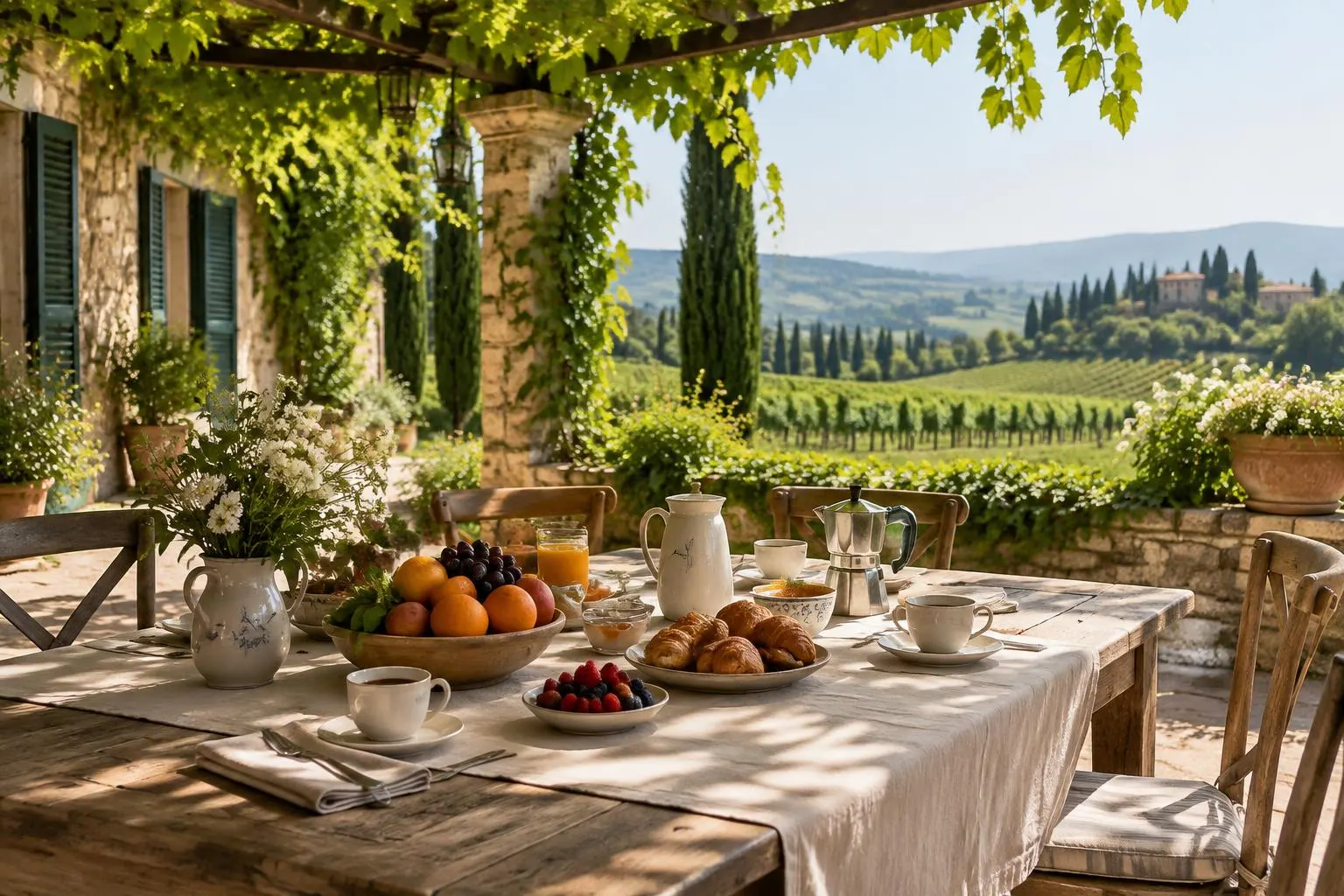
Two mistakes worth avoiding
Sending information too late
Guests need time to organise flights, choose accommodation and communicate their needs. Leaving practical information until the final weeks creates questions and decisions at precisely the point when the couple should be focusing on the celebration.
A clear guide, timely updates and respected deadlines make the arrangements easier for everyone involved.
Budgeting only for the wedding day
When you invite people to Italy for several days, the arrangements around the wedding deserve a place in the budget too.
Decide early which gatherings you want to host, how guests will move between venues and what support they will need. That allows the whole weekend to be planned with care, rather than adding essential costs after the main decisions have been made.
Having someone who knows the whole plan
My role is to bring the wedding arrangements and the guest experience together, keeping track of the details and helping the couple choose what suits them.
On-site attendance can be arranged for a separate fee. Whether or not I am physically present, I remain available in real time throughout the event to assist with the arrangements within our agreed scope.
You can explore our approach to destination weddings in Italy, or email retreats@theitalianchapter.com with your preferred period, approximate guest count and the kind of celebration you have in mind.
Planning a gathering in Italy?
Tell Alessia who you are bringing together and what you would like the time to feel like.
Start your enquiry